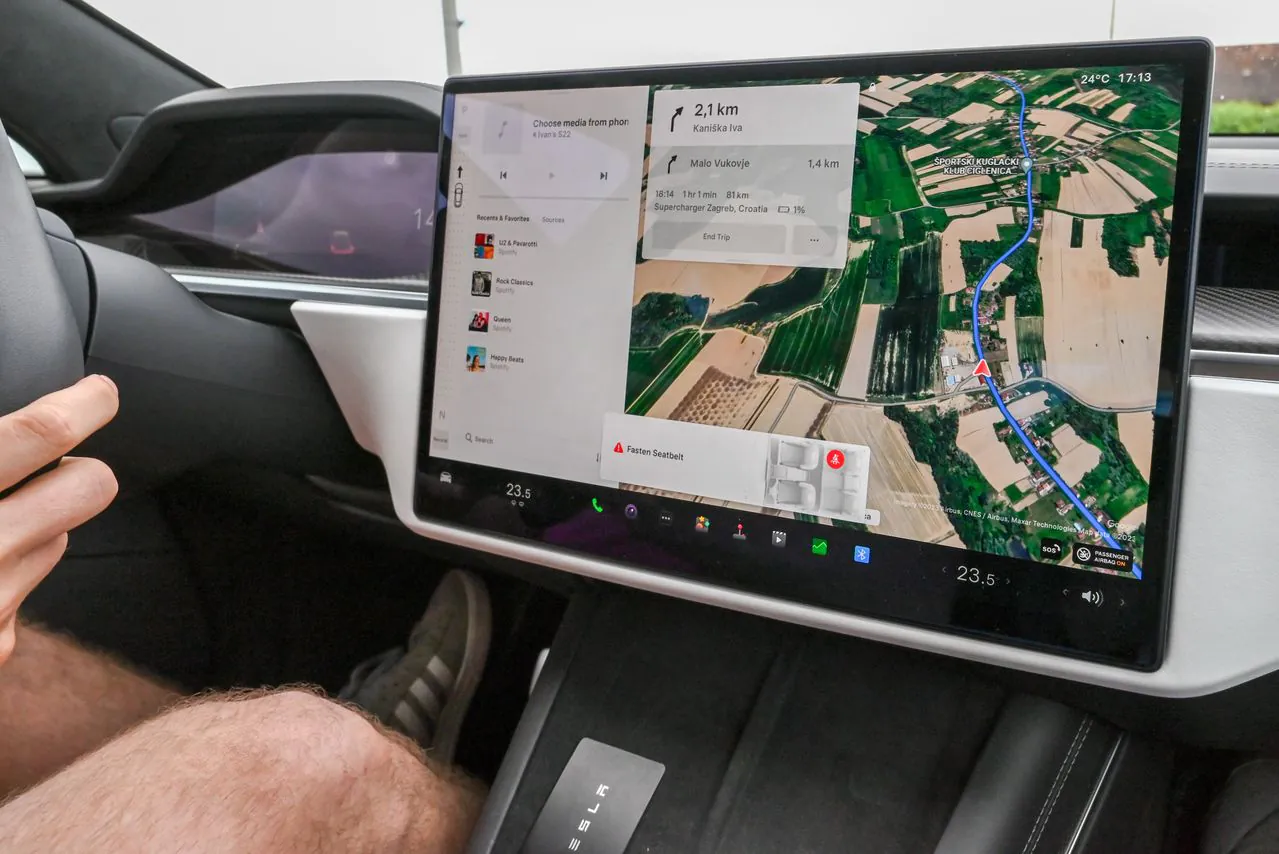

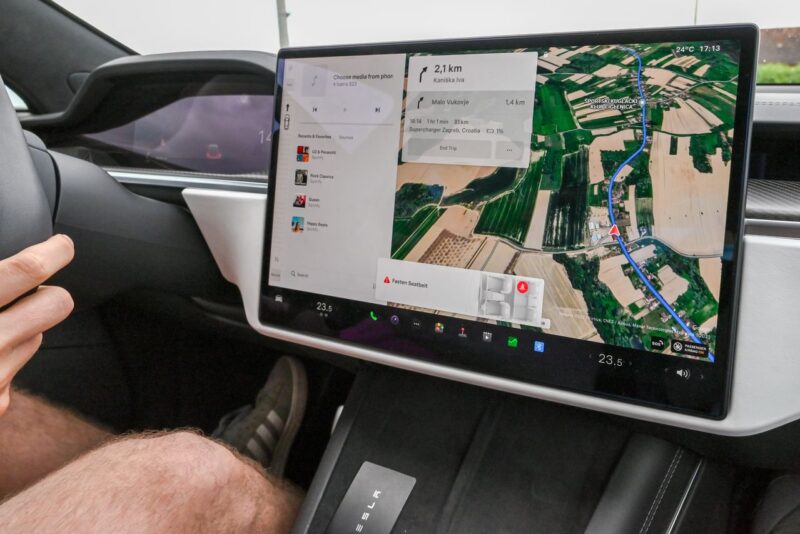
A windscreen begins to fog during heavy rain. In an older car, the driver reaches for a familiar dial. In a screen-heavy model, the same action may require opening the climate menu, finding the correct icon, and checking whether the tap registered.
Poorly designed touchscreen dashboards can make modern cars more dangerous by increasing the time drivers look away from the road. Research links touchscreen interaction with slower reactions and missed visual events.
Yet screen size alone tells little about safety. Menu depth, response speed, control placement, and the type of task matter far more.
Reliable crash data cannot show exactly how many collisions are caused by factory-fitted touchscreens. Available evidence still gives drivers good reason to examine an interface as carefully as the brakes, visibility, or driving-assistance technology.
Why Does a Touchscreen Demand More Attention?
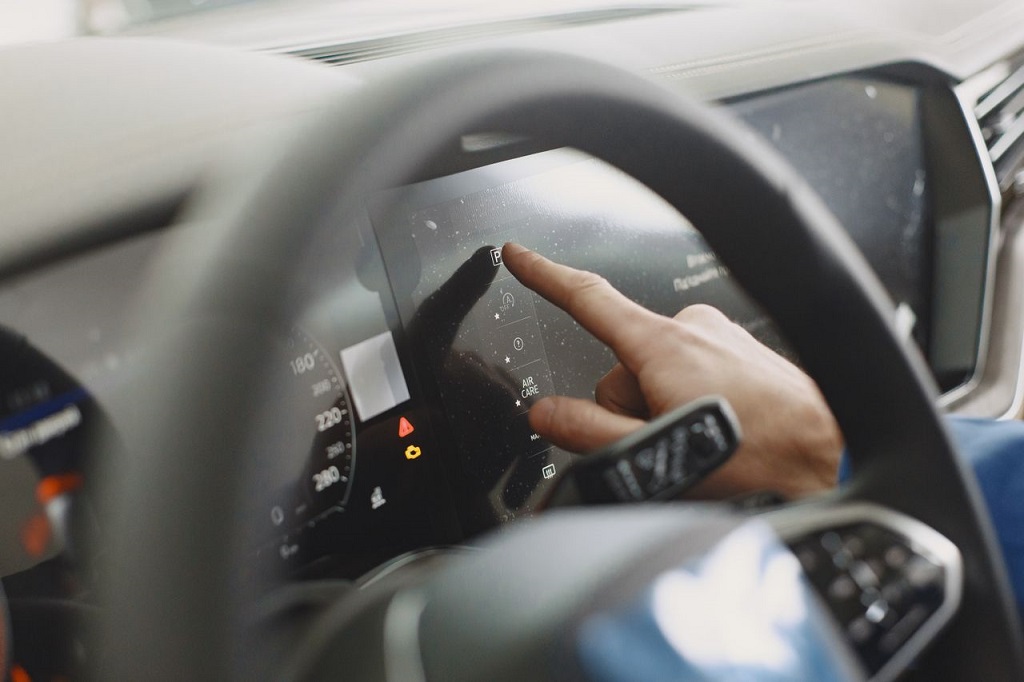
Physical switches provide shape, resistance, and position. Once a driver learns where the temperature dial sits, a quick adjustment may require little or no visual confirmation.
A flat glass panel offers fewer tactile landmarks. The driver generally needs to locate an icon, aim a finger, and confirm the result. Vehicle movement adds another problem: a small bump can turn one accurate tap into two failed attempts.
At 55 mph, a car travels roughly 49 metres in two seconds. NHTSA’s voluntary guidance includes a 12-second maximum for total eyes-off-road time during its task test, along with a criterion intended to limit glances lasting longer than two seconds. The guidance dates from 2013 and is not a binding safety standard.
Touchscreen dashboards also predate the tablet era. The 1986 Buick Riviera featured a green Graphic Control Center that managed the radio, climate system, trip information, and vehicle diagnostics.
According to GM’s retrospective, its tiny virtual controls looked like equipment from a NASA workstation. Nearly four decades later, designers are still wrestling with the same question: how much attention should a car ask from its driver?
What Does the Research Show?
Controlled studies consistently find measurable effects when drivers perform touchscreen tasks.
Transport Research Laboratory tested 20 regular Android users and 20 regular Apple users in a 2020 simulator study. Participants completed drives using Android Auto or Apple CarPlay through touch, voice control, or no infotainment interaction.
Drivers missed more visual warning events during touchscreen use than during control drives. Reaction delays at motorway speeds translated into an estimated 18.7 to 24.9 metres of additional stopping distance, roughly four or five car lengths.
Voice interaction sometimes affected performance as well, although touch generally produced greater visual demand.
An earlier AAA study of 30 vehicles found that programming navigation took drivers an average of 40 seconds. None of the tested systems produced a low overall workload, while 23 generated high or very high demand.
Both studies have limits. One used a simulator and a small participant group; the other examined 2017 vehicles whose software now feels dated. They measure driver performance under controlled conditions rather than real-world crash rates. Their central finding remains relevant: long, visually demanding tasks interfere with driving.
According to NHTSA’s latest distraction figures, 3,208 people died and 315,167 were injured in distraction-affected U.S. crashes during 2024. The category covers many activities, including phones, conversations, eating, navigation, and entertainment systems.
Investigators often lack clear evidence of what occupied a driver immediately before impact, as NHTSA explains in its discussion of crash reporting limits. Assigning a precise share to dashboard screens would go beyond the available data.
The same evidentiary gap can complicate an individual injury claim. A Fort Lauderdale personal injury attorney can investigate police reports, witness accounts, vehicle information, and other evidence when distraction may have contributed to a South Florida crash.
Can Touchscreens Improve Safety?
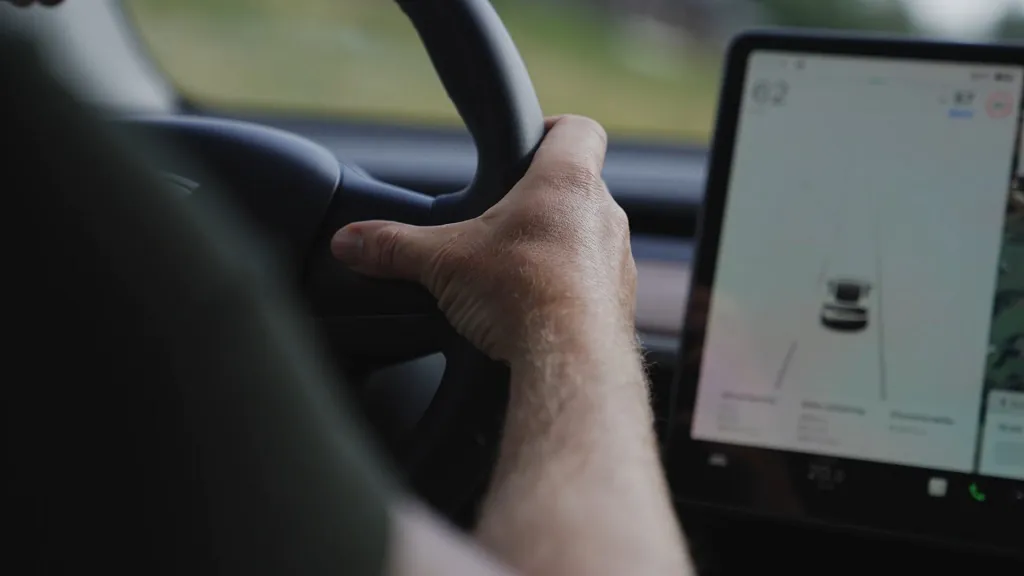
A good screen can present a clear map, enlarge a reversing-camera image, display blind-spot information, and reduce dashboard clutter. Familiar software may also demand less effort than an awkward collection of buttons or a poorly labelled rotary controller.
Apple CarPlay and Android Auto completed calling tasks five seconds faster, on average, than native vehicle systems in a 2018 AAA comparison.
Navigation entry was 15 seconds faster. Both smartphone platforms still created a moderate workload, so faster operation did not make complicated tasks safe while driving.
The strongest approach combines interfaces according to the job:
| Function | Lower-distraction design | Concerning design pattern |
| Hazards and horn | Dedicated physical control | Screen icon or hidden menu |
| Wipers and defogging | Stalk, button, or fixed switch | Several touchscreen steps |
| Temperature and fan | Dial or persistent control strip | Climate page covering other content |
| Navigation and media | Voice and steering-wheel shortcuts | Text entry while moving |
| Occasional settings | Screen access while parked | Alerts and pop-ups during driving |
Screen latency matters too. A button that responds instantly builds trust. A touchscreen that freezes, changes layout after an update, or hides controls behind a warning message creates extra workload at precisely the wrong moment.
How Are 2026 Safety Standards Responding?
Euro NCAP now places greater weight on intuitive controls under its 2026 safety assessment. Dedicated physical controls for indicators, hazard lights, windscreen wipers, the horn, and emergency-calling functions influence the Safe Driving score.
Early results show the nuance involved. Euro NCAP praised the BMW iX3 for physical controls covering several core functions. The ZEEKR 7GT received a poor general vehicle-controls score because driving settings and climate functions relied heavily on its central touchscreen.
Both cars still earned five stars overall due to strong performance in other safety categories, according to the first 2026 test results.
Euro NCAP ratings remain voluntary. Separate EU rules took effect on July 7, 2026, requiring advanced driver-distraction warning systems in newly registered passenger cars and vans. The European Commission requirements encourage cameras and sensors that detect when a driver’s attention has wandered.
Such monitoring provides a valuable backstop. Straightforward controls reduce avoidable glances at their source.
How Can Drivers Judge a Dashboard Before Buying?
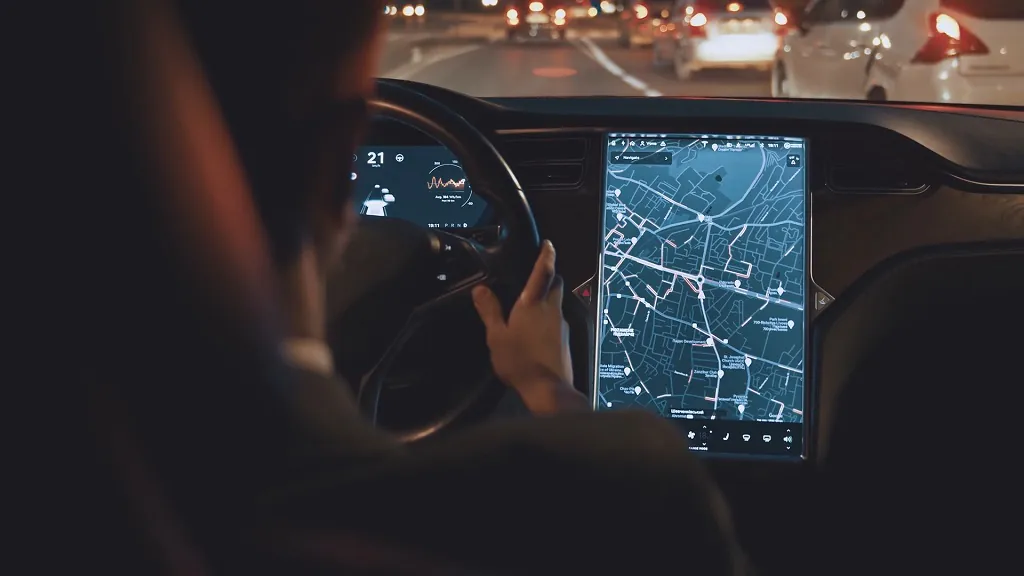
Spend several minutes using the controls while the car is stationary. A polished showroom screen can feel very different once the road is dark, wet, or uneven.
Try a few ordinary tasks:
- Activate the hazards, wipers, and front defogger.
- Change the temperature without studying the display.
- Mute the audio and cancel navigation guidance.
- Check whether essential icons remain in fixed positions.
- Confirm that steering-wheel controls work without opening menus.
Look for large touch targets, shallow menus, quick responses, and physical shortcuts for urgent functions. Voice control can help with destinations or music, although accents, weak connectivity, cabin noise, and ambiguous commands may reduce its usefulness.
After purchase, enter destinations and select playlists before moving. Learn the steering-wheel buttons, use a passenger for complicated changes, and pull over when a task requires sustained attention.
The Verdict
Touchscreen dashboards raise safety concerns when common or urgent controls require visual searching, multiple taps, or delayed confirmation. A carefully designed screen can support safer driving, especially for maps and camera views.
The best modern cockpits use a hybrid layout: digital displays for information, tactile controls for immediate actions, and software that keeps demanding tasks unavailable while the vehicle is moving.
Attention cost provides the most useful test. If a simple adjustment feels cumbersome while parked, it will feel considerably worse at 100 km/h in heavy rain.