
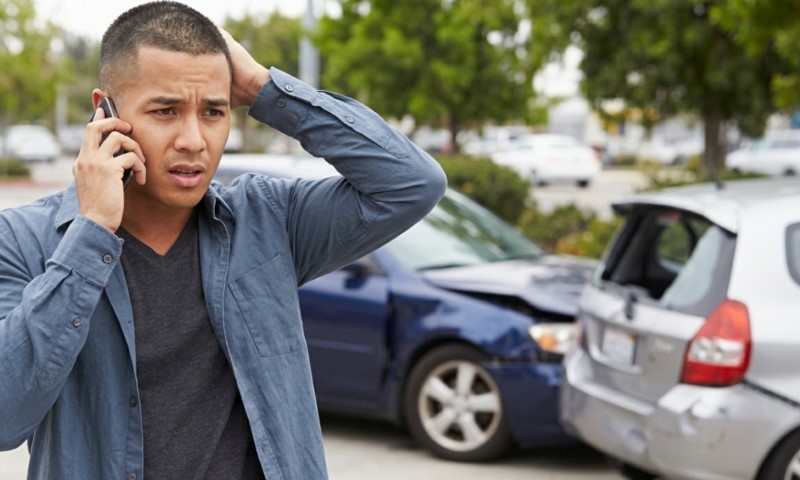
After a company car accident in the U.S., the driver should handle safety first, then police reporting, employer notice, insurance documentation, and any workplace or commercial vehicle reporting duties.
Liability usually depends on whether the employee was doing work at the time, who owned or insured the vehicle, and whether the crash involved a company-owned car, rental, personal vehicle used for business, or regulated commercial vehicle.
In 2026, the issue still carries real financial and legal weight. NHTSA estimated 36,640 U.S. traffic deaths in 2025, down 6.7% from 2024, yet roadway risk remains serious enough for every employer with drivers, sales staff, service technicians, contractors, or delivery routes to treat crash response as a formal business process.
What Should Happen First After A Company Car Accident?
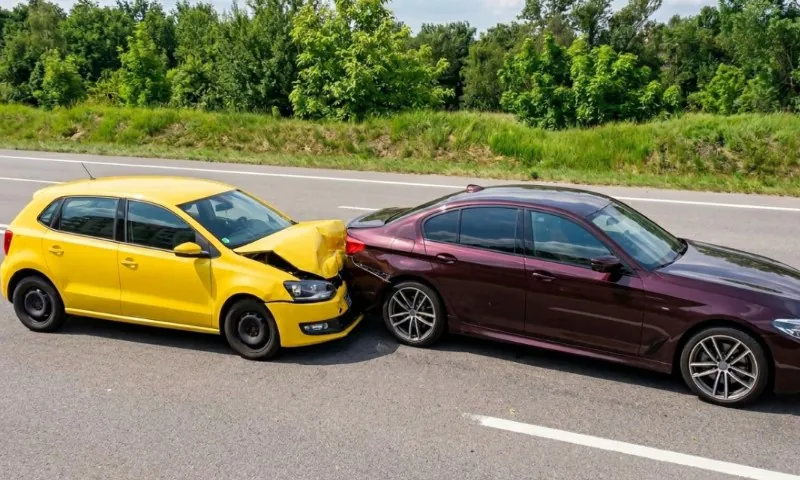
The first step is safety, then documentation. A driver should call 911 when anyone is injured, vehicles block traffic, a police report is legally required, or the crash involves commercial cargo, hazardous materials, pedestrians, cyclists, or several vehicles.
For an employee, the first minutes after the crash usually matter more than any later explanation. A shaky phone photo, a missing witness name, or a vague employer report can make a claim harder to resolve.
- Move to a safe location if the vehicle can be moved legally and safely.
- Call emergency services if anyone may be hurt.
- Exchange license, insurance, vehicle, and employer information.
- Photograph vehicle positions, damage, road signs, weather, traffic signals, and visible injuries.
- Notify the employer, dispatcher, supervisor, or fleet manager quickly.
- Avoid admitting fault at the scene.
- Follow the employer’s claim process before approving repairs.
A small parking lot collision involving a company sedan may stay inside a normal insurance claim. A highway crash involving a box truck, an injured employee, and damaged cargo can involve police, a commercial auto insurer, workers’ compensation, OSHA, and federal motor carrier rules.
For employees in New York City, especially after a serious work-related crash in the Bronx, speaking with a Bronx workers’ compensation lawyer can help clarify how medical care, lost wages, and claim deadlines fit alongside the auto insurance process.
Who Is Liable After A Company Car Accident?
The company can often be liable when an employee causes a crash while performing job duties. The legal doctrine is called respondeat superior, meaning an employer may be responsible for wrongful acts by an employee when the acts happen within the job role.
The key phrase is “scope of employment.” Cornell defines scope of employment as conduct an employee is reasonably expected to perform as part of the job. A sales manager driving to a client meeting, a technician headed to a service call, or a delivery employee on an assigned route will usually look work-related. A weekend grocery run in a company car creates a harder dispute.
When The Employee May Still Be Personally Exposed
A company policy does not erase the driver’s role. If the employee was drunk, racing, using the car for an unauthorized personal errand, or driving outside permitted use, the employer and insurer may dispute coverage.
That does not mean an injured person has no claim. It means the claim may become slower, more expensive, and more lawyer-driven. For the driver, one assumption can become costly: permission to take a vehicle home is not always permission to use it for every personal trip.
Which Insurance Policy Pays?
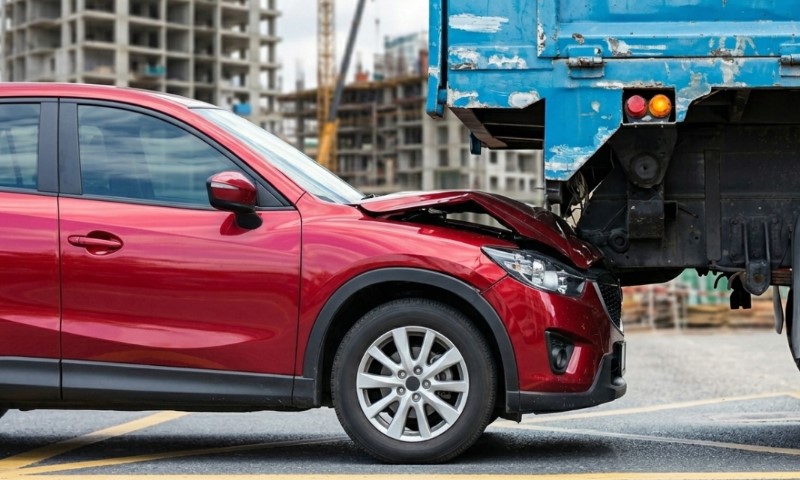
The answer depends on vehicle ownership and business use. The Insurance Information Institute says liability coverage in a Business Auto Coverage Form pays damages the business is legally obligated to pay for bodily injury or property damage caused by a covered vehicle, up to policy limits.
| Crash Situation | Policy Usually Involved | Practical Consequence |
| Employee crashes company-owned vehicle during work | Commercial auto policy | Employer’s insurer usually handles defense and third-party claims |
| Employee crashes company car during allowed personal use | Commercial auto, depending on policy wording | Coverage may apply, but permissive-use rules matter |
| Employee uses personal car for work errand | Employee’s personal auto first, possible hired and non-owned auto after | Company may face a claim if personal limits are too low |
| Employee rents a car for business travel | Rental coverage, corporate travel policy, HNOA, or commercial auto endorsement | Gaps happen when rental rules and business policy do not match |
| Independent contractor crashes while working | Contractor’s policy first, possible company liability dispute | Control, branding, dispatch rules, and contract terms matter |
The NAIC notes that personal auto insurance usually does not cover vehicles used for work, while business auto insurance often carries higher limits and extra protections for rental vehicles, employee-driven vehicles, large trucks, and vehicles used to carry goods or passengers.
For personal vehicles used at work, hired and non-owned auto coverage can matter. The Hartford explains that non-owned auto coverage applies when employees use personal cars for business and can provide extra liability coverage over the employee’s personal auto policy.
What Reporting Rules Apply?
Reporting rules vary by state, crash severity, vehicle type, and employer category. A police report, insurance claim, employer incident report, and DMV filing are different records. One record does not always replace another.
California gives a useful example. The California DMV says a driver, insurance agent, broker, or legal representative must file an SR-1 within 10 days when anyone is injured or killed, or when property damage exceeds $1,000.
New York uses a similar 10-day rule for crashes causing death, personal injury, or more than $1,000 damage to any one person’s property, according to the state MV-104 form.
A company with vehicles in several states needs a state-by-state checklist. A one-page “call police if there is injury” rule is too thin for fleet operations.
When OSHA Becomes Involved
OSHA can become involved when the crash is work-related and causes a fatality or severe injury to an employee. OSHA says all employers must report a work-related fatality within 8 hours, and any work-related in-patient hospitalization, amputation, or eye loss within 24 hours.
A crash involving a company driver and a customer’s car can therefore create 2 tracks. The injured third party may pursue an auto liability claim. The injured employee may trigger workers’ compensation and OSHA reporting duties.
Employers should avoid treating a roadway crash as “outside OSHA” by default. Roadway incidents during work travel can still be work-related, depending on the facts.
When FMCSA Rules Apply
View this post on Instagram
FMCSA rules matter when the vehicle qualifies as a commercial motor vehicle under federal safety rules, such as certain trucks over 10,000 pounds, vehicles designed to transport more than 8 people including the driver, or vehicles displaying hazardous materials placards. FMCSA’s CSA guidance describes crash reporting coverage for those categories.
Motor carriers also have recordkeeping duties. FMCSA says carriers must maintain an accident register for crashes from the past 3 years, including date, location, driver name, injuries, fatalities, and hazardous material release information.
For interstate motor carriers, insurance has another layer. FMCSA’s Form MCS-90 guidance says the endorsement attaches to the motor carrier’s liability policy and applies to vehicles operated under that policy subject to federal financial responsibility rules.
What People Usually Miss
Many companies focus on the vehicle and forget the trip purpose. That is often where liability turns.
A crash in the same Ford Transit can mean different things depending on the trip:
- A plumber driving to a scheduled repair call looks work-related.
- The same plumber driving to lunch may still be work-adjacent, depending on state law and company policy.
- A spouse using the van on Sunday for a personal errand may fall outside expected coverage.
- A contractor wearing company branding but using a personal vehicle may create a dispute over control.
The safest employer policy is plain but useful: written driver permission, defined personal-use rules, proof of license checks, minimum personal auto limits for employees using personal vehicles, and a clear post-crash reporting script.
What Employees Should Do After The Claim Starts
An employee should cooperate, but stay precise. Give facts, not guesses. “I was driving from the warehouse to the client site at 2:15 p.m.” is useful. “I guess I was at fault” can damage the claim before an investigation starts.
Employees should keep copies of:
- Police exchange forms
- Photos and videos
- Medical records
- Employer incident reports
- Claim numbers
- Names of adjusters
- Repair estimates
- Written instructions from the employer
What Employers Should Do After The Crash
Employers need speed and discipline. The first day is about care, evidence, and notice. The first week is about coverage, liability review, repairs, and compliance.
A strong employer response includes:
- Confirm the driver’s job status and trip purpose.
- Notify the commercial auto insurer.
- Preserve dashcam, GPS, telematics, dispatch, and phone records.
- Check OSHA reporting duties if an employee was seriously hurt.
- Check FMCSA duties if a regulated commercial vehicle was involved.
- Review state DMV or crash report rules.
- Keep claim communication consistent.
Honest judgment matters here: hiding driver history or editing records after a crash can turn an ordinary claim into a credibility problem. The safer answer is less exciting. Preserve everything.
Summary
A company car accident in the U.S. can become an insurance claim, a workplace injury case, a state reporting issue, or a federal compliance matter. The core question is simple: was the driver acting for the business, and which policy covers that vehicle and trip?
For employees, the best move is quick reporting and careful documentation. For employers, the best protection is a clear fleet policy before any crash happens. Once metal bends and injuries appear, paperwork starts moving fast.