
Vehicle safety matters long before a crash happens. Shoppers in 2026 are looking at stronger structures, smarter crash-avoidance systems, better headlights, and more serious protection for rear-seat passengers.
One big reason the field looks sharper in 2026 is that the Insurance Institute for Highway Safety (IIHS) tightened its award rules again, putting more weight on rear-seat crash performance and stronger front crash prevention.
“Updates to safety testing standards often signal where regulators and researchers are seeing the most serious injuries, and automakers tend to respond quickly when those benchmarks change,” says accident lawyer John Foy.
A second pattern stands out right away: many of the strongest 2026 performers are SUVs and crossovers. IIHS says SUVs account for most Top Safety Pick+ winners so far, which helps explain why so many family-oriented models land on any serious safety shortlist in 2026.
Safe Vehicles Worth Serious Attention
| Model | Category | 2026 IIHS Result | Why It Stands Out |
| Subaru Forester | Small SUV | Top Safety Pick+ | Rear-seat safety updates for 2026 |
| Hyundai Ioniq 5 | Small electric SUV | Top Safety Pick+ | Strong EV option with top-tier award |
| Honda Passport | Midsize SUV | Top Safety Pick+ | Good ratings across crash and prevention measures |
| Kia EV9 | Midsize electric SUV | Top Safety Pick+ | Large family EV with strong standard safety tech |
| Mazda CX-90 | Midsize SUV | Top Safety Pick+ | Strong crash scores in a 3-row package |
| Nissan Pathfinder | Midsize SUV | Top Safety Pick+ | Improved rear-seat belt protection |
| Toyota Camry | Midsize sedan | Top Safety Pick+ | One of the safest non-SUV choices |
| Kia K4 | Small sedan | Top Safety Pick+ | Compact car with strong crash ratings |
| Nissan Sentra | Small sedan | Top Safety Pick+ | Fresh redesign and excellent overall showing |
| Hyundai Santa Fe | Midsize SUV | Top Safety Pick+ | Family SUV with top-tier IIHS standing |
1. Subaru Forester
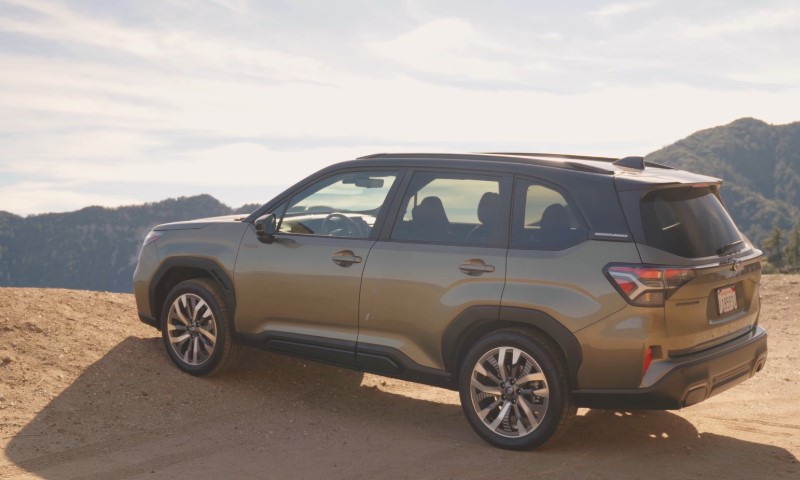
The 2026 Forester deserves attention because Subaru made rear seat belt changes for 2026 to improve rear-occupant protection in the updated moderate overlap front crash.
IIHS gave it good marks across the board in that test, including rear passenger injury measures and restraints performance.
2. Hyundai Ioniq 5
Many EV shoppers still wonder whether an electric SUV means any tradeoff in crash protection. The 2026 Ioniq 5 answers that question in a reassuring way. It holds a Top Safety Pick+ award, and IIHS lists it as a fully electric small SUV with strong overall ratings.
NHTSA also lists the Ioniq 5 among 2026 models selected for both 5-Star Safety Ratings testing and advanced crash-avoidance verification testing, which keeps it firmly in the national safety conversation.
3. Honda Passport
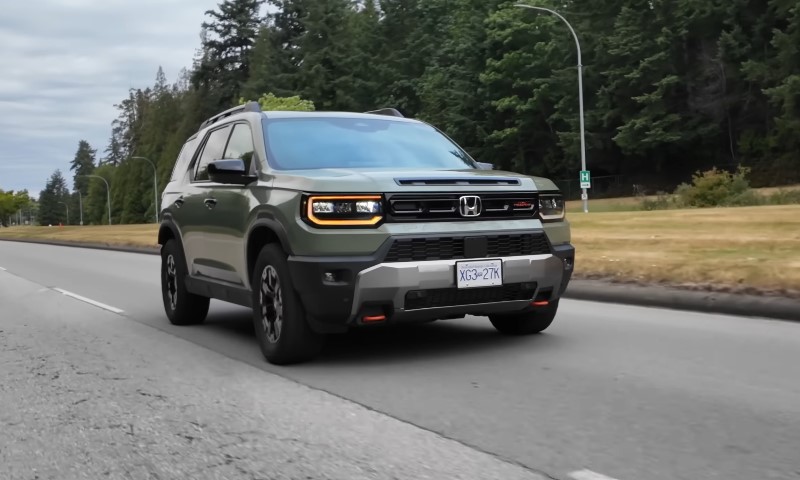
Honda’s redesigned 2026 Passport looks especially strong because IIHS gives it good ratings in the major crash tests and good scores for both pedestrian and vehicle-to-vehicle front crash prevention.
Standard blind spot detection and lane departure warning and prevention provide additional value for buyers who want solid safety gear without climbing a trim ladder.
4. Kia EV9
Among 3-row electric family vehicles, Kia EV9 is one of the most impressive entries on the board.
IIHS gives it good ratings in the main crash tests as well as both kinds of front crash prevention and notes standard blind spot detection, lane support, and rear automatic braking.
For large families moving toward an EV, few 2026 choices look as rounded from a safety perspective.
5. Mazda CX-90
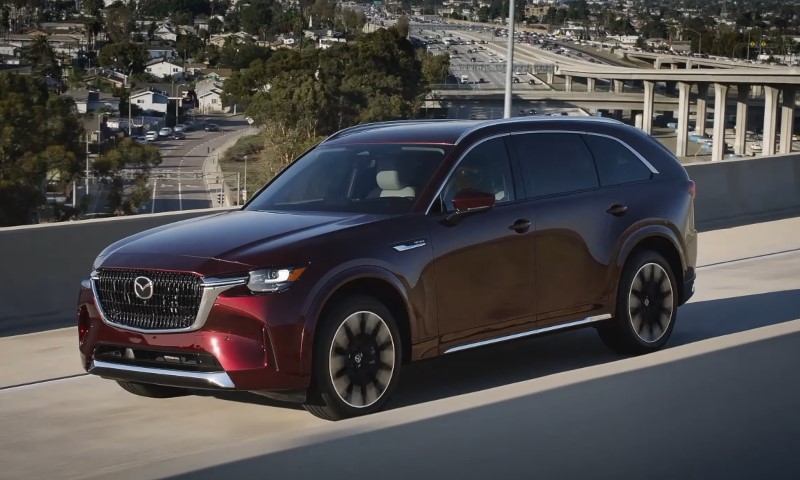
The CX-90 remains one of the strongest safety-minded options in the 3-row midsize SUV group. IIHS lists good crashworthiness scores in small overlap, moderate overlap, and side-impact testing, plus good pedestrian front crash prevention.
Headlight ratings vary by trim, so shoppers should pay attention to exact configuration, though the model still earns Top Safety Pick+ overall.
6. Nissan Pathfinder
The Pathfinder earns a spot because Nissan improved rear seat belts on 2024-and-newer examples built after November 2023, and IIHS says the updated design improved rear-occupant protection in the moderate overlap front crash.
By 2026, that work still pays off with a Top Safety Pick+ result. For families who want a conventional gas SUV with three rows and a strong safety case, Pathfinder remains a serious contender.
7. Toyota Camry
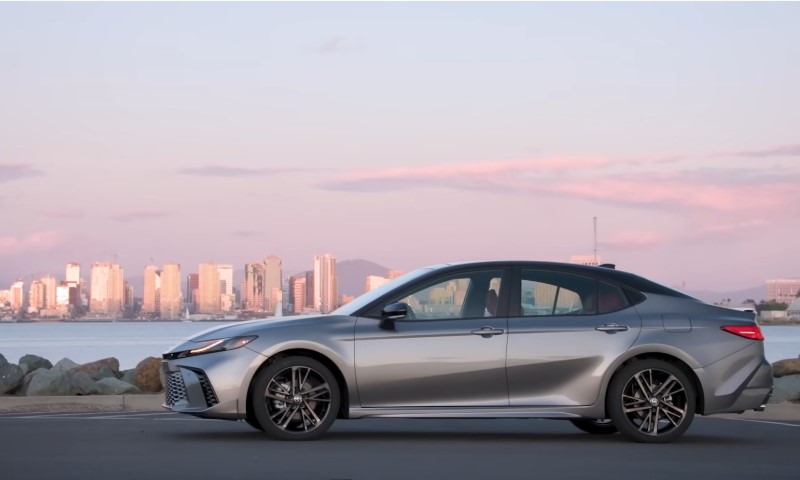
Sedan buyers are not shut out of the 2026 safety story. The Camry stands out as one of the strongest midsize-car choices, earning Top Safety Pick+ with good ratings in the major crash tests, good ratings for both front crash prevention categories, and standard blind spot detection plus standard lane departure warning and prevention.
For drivers who do not want a tall SUV, Toyota Camry is one of the clearest answers on the market.
8. Kia K4
The K4 shows how far compact sedans have come. IIHS gives it good ratings in small overlap, moderate overlap, and side-impact testing, with good pedestrian front crash prevention and acceptable vehicle-to-vehicle front crash prevention.
IIHS also notes rear seat belt modifications on vehicles built after January 2025 to improve rear-passenger protection. That is exactly the kind of engineering detail worth noticing in an entry-priced car.
9. Nissan Sentra
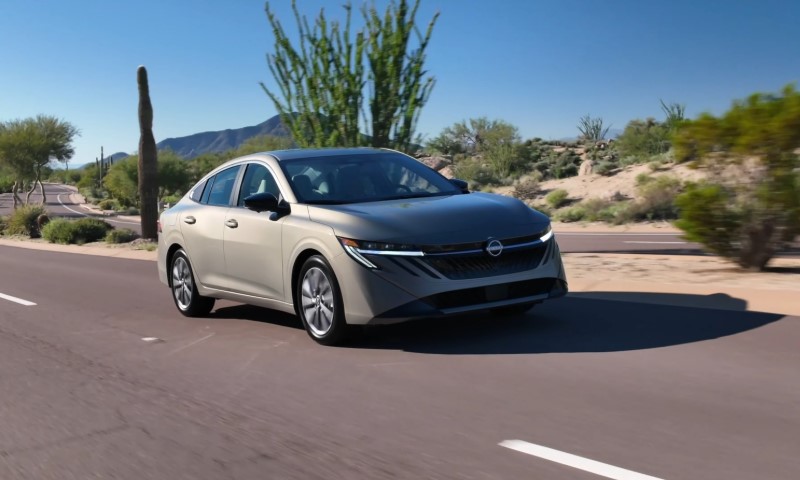
The redesigned 2026 Sentra may be one of the more overlooked safety stories of the year. IIHS gives it Top Safety Pick+ status, good crashworthiness ratings, good headlights, and good pedestrian front crash prevention.
In a class where buyers often focus on payment size first, Sentra makes a strong case for keeping safety near the top of the list.
10. Hyundai Santa Fe
Hyundai’s Santa Fe makes the list because IIHS places it among 2026 Top Safety Pick+ midsize SUVs.
It also appears on NHTSA’s list of 2026 models selected for 5-Star Safety Ratings testing, keeping it on the radar of both major U.S. safety organizations.
For buyers who want a roomy family vehicle with a current top-tier IIHS result, Santa Fe belongs in the conversation.
Why Awards Alone Should Not Decide The Purchase
Trim differences can affect headlights and some driver-assistance features. Build dates can matter, especially for vehicles where a mid-cycle change improved rear-seat protection.
IIHS flags several models where award status applies only after a certain production date, and NHTSA reminds owners to check recalls by VIN, not only by model name.
A careful shopping process in 2026 should include:
- Checking the exact trim and build date
- Reviewing IIHS model pages, not only the award headline
- Looking up open recalls through NHTSA’s VIN tool
- Making sure core crash-avoidance systems are standard, not optional
Final Thoughts
The safest vehicles in 2026 are rewarding buyers who pay attention to detail. Rear-seat crash protection matters more now. Standard crash-avoidance tech matters more now. Headlight quality still matters.
For many households, the best picks will come from the SUV field. For sedan buyers, models like the Toyota Camry, Kia K4, and Nissan Sentra prove that strong protection is still available without moving into a crossover.