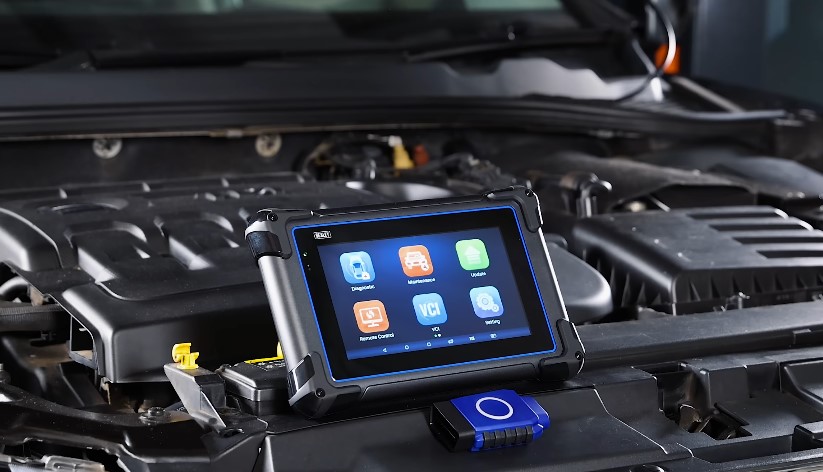

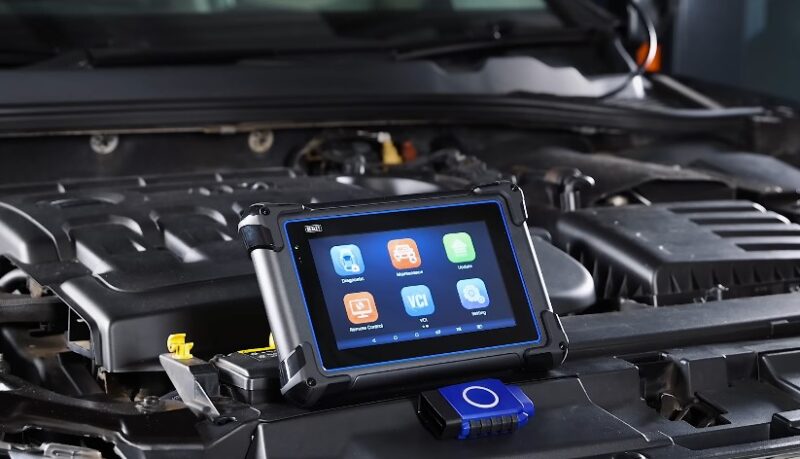
Modern vehicles depend heavily on computers, sensors, and electronic control modules that continuously track engine performance, emissions, transmission operation, braking, steering, and safety systems.
Vehicle diagnostics allow technicians to identify abnormal readings and stored faults before many problems become obvious during everyday driving.
Instead of using diagnostic equipment only after a warning light appears, or a vehicle stops working, drivers can use diagnostic testing as part of preventive maintenance.
Small electrical, sensor, fuel, ignition, or emissions faults can often develop gradually.
Catching those issues early can make the difference between a relatively simple repair and an unexpected breakdown involving several damaged components.
How Vehicle Diagnostics Work
@remappedbypickle Quick tutorial of how diagnostics works…., other then just code reading … #repairs #mechanics #diagnostics #testing #knowledgesharing
Diagnostic testing usually begins by connecting a scanner to a vehicle’s onboard diagnostic system, commonly called OBD. Once connected, diagnostic equipment communicates with electronic control modules located throughout the vehicle.
Stored information can include trouble codes, current sensor readings, previous faults, and operating conditions recorded when a problem occurred.
Modern diagnostic systems can identify problems associated with areas such as:
- Engine misfires and combustion problems
- Fuel injection and ignition systems
- Transmission operation
- ABS and braking electronics
- Airbags and other safety systems
- Oxygen and temperature sensors
- Emissions-control equipment
Some diagnostic equipment can distinguish between an active fault and one recorded earlier.
Technicians may also see conditions present when a code was triggered, such as engine temperature, vehicle speed, engine load, or other operating data.
Problems Vehicle Diagnostics Can Detect Early

Many mechanical problems now create electronic clues before serious symptoms appear.
Sensors constantly report operating conditions to vehicle computers, allowing abnormal values to trigger fault codes or warning messages.
Diagnostic testing can reveal developing problems involving:
- Engine misfires, hesitation, and power loss
- Faulty oxygen sensors, temperature sensors, and other electronic sensors
- Fuel-injector faults
- Ignition-coil and ignition-system problems
- Battery, wiring, alternator, and charging-system issues
- Delayed, rough, or irregular transmission shifting
- ABS faults
- Airbag-system faults
- Stability-control problems
- Catalytic-converter issues
- EGR-system problems
- Diesel particulate filter problems
Gradual failures are particularly important because drivers may not immediately notice them.
Sensor performance can deteriorate slowly, injectors can become increasingly restricted, and small leaks can develop without producing an obvious warning during normal driving.
Early fault detection also supports downtime prevention by giving technicians a chance to respond to abnormal readings before a developing issue causes a complete failure.
Routine servicing combined with diagnostic scanning gives technicians a chance to identify those changes before performance declines significantly or another component becomes damaged.
Why Fault Codes Need Professional Interpretation
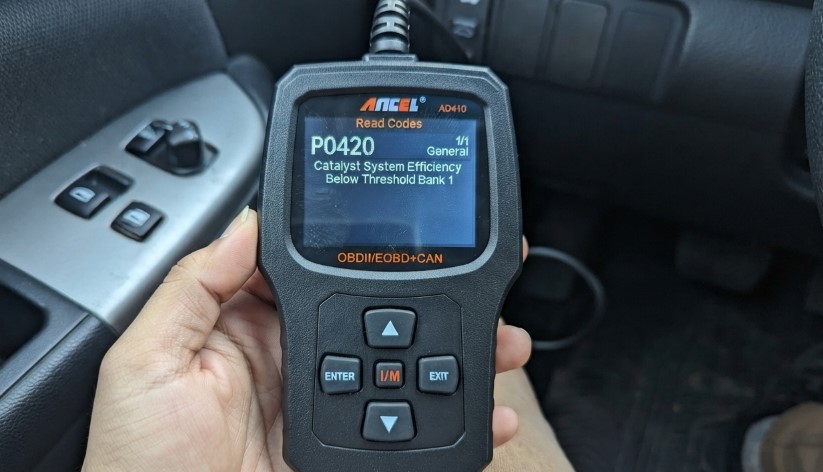
Diagnostic trouble codes provide useful clues, but a code does not always identify the exact component that needs replacement.
An oxygen-sensor fault offers a good example. A code associated with that sensor could indicate a failed sensor, but several other problems can create similar readings.
Possible causes may include damaged wiring, poor electrical connections, air leaks, exhaust leaks, or fuel-delivery problems.
Replacing a sensor immediately without additional testing could therefore leave the original fault unresolved.
Experienced technicians normally combine diagnostic codes with several other forms of evidence. Physical inspections, electrical measurements, vehicle history, road testing, and live sensor information can all help narrow down the actual cause.
Live diagnostic data can include values such as:
- Coolant temperature
- Battery voltage
- Fuel pressure
- Airflow readings
- Wheel-speed signals
Comparing actual readings with expected operating values helps technicians identify abnormal behavior while individual systems are operating.
Such analysis is particularly useful when a fault appears intermittently.
A vehicle may perform normally during a short workshop inspection even though its computer has recorded abnormal conditions during previous trips.
How Early Diagnosis Helps Prevent Breakdowns

Early diagnosis gives drivers time to repair a developing fault before it causes additional damage or leaves a vehicle unable to operate.
Warning lights provide one example. A flashing engine-management light can indicate a severe misfire capable of damaging a catalytic converter if driving continues.
Charging-system problems can create another serious situation. Weak alternator output, battery faults, wiring problems, or poor electrical connections may initially cause only minor symptoms.
Continued operation can eventually drain the battery and leave a vehicle unable to start.
Diagnostic testing can also reduce unnecessary part replacement.
Instead of replacing several components until a problem disappears, technicians can use fault codes and live data to focus testing on systems showing abnormal behavior.
Faster identification can provide several practical benefits:
- Lower risk of secondary component damage
- Fewer unnecessary replacement parts
- Shorter repair times
- Less vehicle downtime
- Reduced chance of an unexpected roadside breakdown
Repair costs can also be easier to control when problems are addressed before one failing component causes damage elsewhere.
A poorly functioning injector, for example, may affect combustion and engine performance. Ignoring persistent misfires can place additional stress on emissions equipment.
Electrical charging faults can create starting problems and affect numerous electronic systems.
Why Diagnostics Matter More in Modern Cars
Electronic control systems now influence nearly every major area of vehicle operation. Engine management represents only one part of modern diagnostic work.
Computers and sensors also monitor braking, steering, airbags, stability control, fuel consumption, emissions, transmission behavior, and numerous comfort and safety features.
Greater electronic complexity means symptoms can have several possible causes. A warning light might relate to a mechanical problem, damaged wiring, a failed sensor, a communication fault, or incorrect data being sent between control modules.
Hybrid and electric vehicles rely even more heavily on software and electronic monitoring.
Battery-management systems, electric motors, power electronics, charging equipment, and thermal-management systems often require specialized diagnostic equipment and technical knowledge.
Diagnostic scanning can also speed up repair work. Instead of dismantling large parts of a vehicle simply to search for a fault, technicians can first identify which system has recorded abnormal behavior.
Targeted testing can then focus on a smaller group of components, circuits, or sensors.
Closing Thoughts
Vehicle diagnostics act as an early-warning system by identifying abnormal sensor readings, stored faults, and developing electronic or mechanical problems before major failure occurs.
Regular servicing adds another opportunity to detect problems before symptoms become serious. Diagnostic scanning, physical inspection, electrical testing, and routine maintenance work best when used together.
Finding a small fault early can prevent damaged components, reduce repair costs, shorten downtime, and lower the chance of an unexpected breakdown on the road.