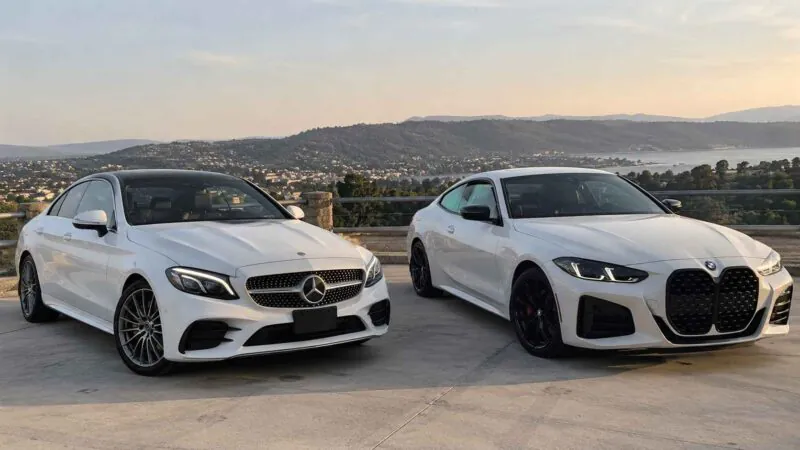

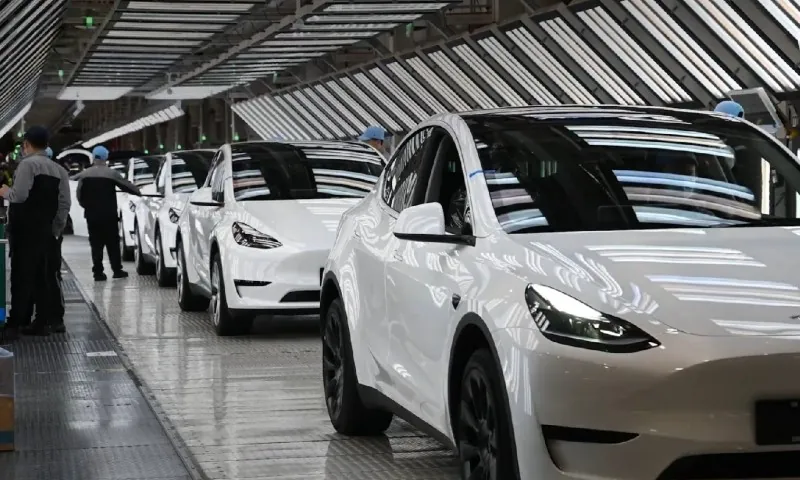
Tariffs are back at the center of the U.S. car market conversation for a simple reason. Some of the most price-competitive vehicles Americans buy rely on global supply chains, and a meaningful part of the trade fight tied to China lands directly on finished vehicles, or on the batteries and components that make modern cars possible.
By the time 2026 arrives, the impact will not hinge on a single headline tariff rate. The real story is the stack, meaning multiple duties that can apply to one vehicle at the same time, depending on where it is assembled, what powers it, and where its key materials come from.
Here’s a clear look at how the tariff structure works, how those layers add up by 2026, and what that realistically means for what you pay at the dealership.
A Quick Tariff Primer, What a Tariff Actually Is and Who Pays It
View this post on Instagram
A U.S. tariff is a tax collected at the border on imported goods. The importer of record pays it to U.S. Customs and Border Protection.
In the auto world, that importer is usually the manufacturer’s U.S. subsidiary or a logistics entity working on its behalf.
Shoppers never see a line item labeled “tariff” on a buyer’s order. The cost shows up indirectly, and usually in familiar ways:
- Higher MSRP or fewer factory incentives
- Lease payments that quietly jump when subsidies disappear
- Reduced availability when models are paused or trimmed
- Higher used-car prices when new supply tightens
Past tariff rounds showed that price effects can move quickly. Rather than being absorbed overseas, costs often surface in consumer pricing, especially in categories like vehicles, where margins are closely managed, and volumes are large.
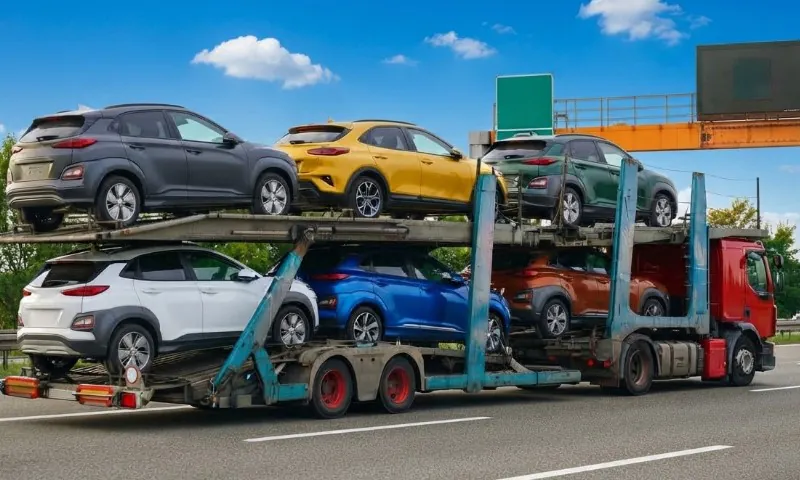
For buyers relocating vehicles across state lines or managing delivery from ports, professional carriers like RoadRunner Auto Transport Services often become part of the total cost equation.
Where U.S. Auto Tariffs Stand Heading Into 2026
By 2026, several overlapping policy layers shape the cost of imported vehicles. Each matters on its own. Together, they define the real-world price pressure buyers feel.
The Baseline Passenger-Car Duty
Passenger vehicles entering the U.S. have long faced a baseline import duty. It is often overlooked in casual coverage, yet it forms the foundation of the total rate applied to many imports.
That baseline is the reason headlines often reference a “27.5% total” once an additional 25% tariff is added on top. The baseline never went away. New measures stack on it.
The 25% Tariff on Imported Autos and Parts
In 2025, the U.S. announced a 25% tariff on imported automobiles and auto parts, starting April 3. The policy was described as additive to the existing levy, not a replacement. For many passenger vehicles, that brings the combined figure near 27.5%.
The practical effect shows up quickly. Even before any China-specific measures come into play, imported vehicles can face a clear cost disadvantage versus U.S.-assembled equivalents, depending on how rules and content calculations apply.
China-Specific Duties That Extend Into 2026
On top of the general auto tariffs, the U.S. has applied additional China-related duties tied to executive actions finalized in 2025.
Customs guidance outlines two key elements:
- A 10% “reciprocal tariff” on products of China, scheduled to remain in effect until November 10, 2026
- A separate 10% “fentanyl” duty rate applied to China under the same framework
The 100% Tariff on Chinese EVs
Separate from the general imported-auto environment, the U.S. finalized a major increase on Chinese-made electric vehicles under Section 301. That move raised the tariff rate on Chinese EVs to 100%.
When combined with the baseline passenger-car duty, coverage often cites a total near 102.5%. The effect is straightforward. Chinese-built EVs become extremely difficult to sell in the U.S. market at mainstream prices, even before any other layers ar00000000000000e added.
The 2026 Tariff Stack, How Multiple Layers Can Hit One Vehicle
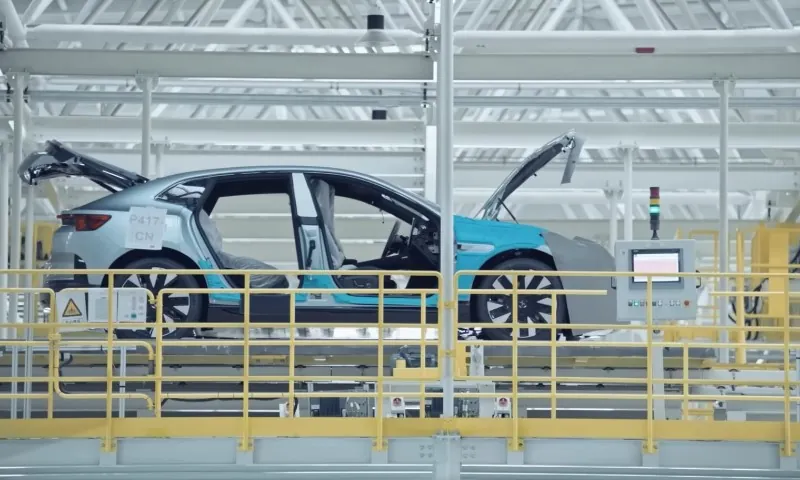
Tariffs are typically additive. That means more than one duty can apply to the same import. By 2026, the stack matters more than any single percentage.
A simplified way to think about it looks like this.
Simplified Tariff Stacking Examples for 2026 (Illustrative)
The exact outcome for any model can vary based on classification, enforcement posture, and exemptions. The direction is clear. A vehicle assembled in China can face multiple taxes that compound rather than replace each other.
How Much More You Will Pay in 2026, Three Realistic Scenarios
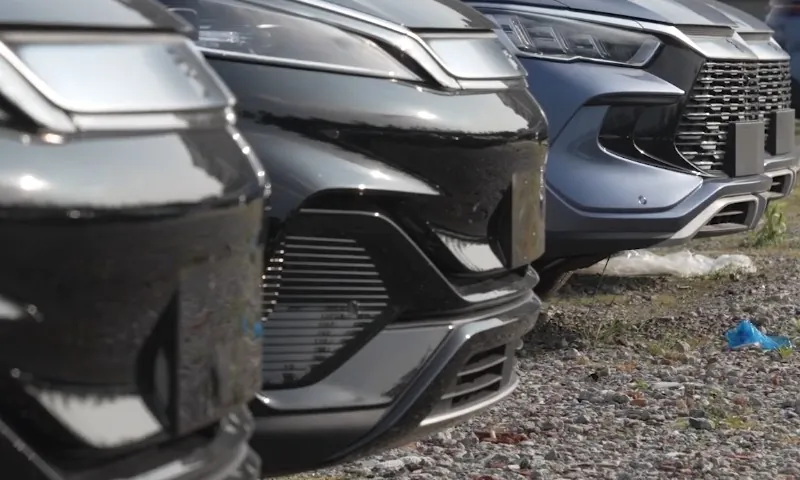
There is no single number that fits every buyer. Tariffs are assessed on import value, while consumers pay MSRP, dealer fees, and financing costs.
Automakers also manage the transition, sometimes cushioning the blow for a period, then pulling support once it becomes too expensive.
Thinking in scenarios gives a clearer picture.
Scenario A, High Pass-Through Close to the Border Math
According to Reuters reports, for some China-assembled non-EV vehicles, coverage has cited tariff stacks near 47.5%. When a rate like that hits, importer costs can jump dramatically.
To translate that into consumer terms, you need an estimate of customs value, which is often closer to wholesale than MSRP. A common rough range is 80% to 90% of MSRP, though it varies by brand.
Illustrative math makes the pressure visible:
- MSRP: $40,000
- Estimated customs value at 80% to 90%: $32,000 to $36,000
- Tariff cost at roughly 47.5%: about $15,200 to $17,100
Manufacturers rarely pass every dollar straight into MSRP overnight. Still, that magnitude explains why some models become hard to justify under the new math.
Scenario B, Partial Pass-Through That Buyers Feel First
More commonly, buyers experience a partial pass-through. Industry reporting has pointed to expectations of roughly a 10% to 15% price increase on affected models, even when the underlying tariff rate is much higher.
Applied to familiar price points:
- $35,000 vehicle: about $3,500 to $5,250 more
- $50,000 vehicle: about $5,000 to $7,500 more
That often shows up as higher transaction prices, fewer incentives, or lease deals that quietly disappear. For many shoppers, that is the first and most noticeable impact.
Scenario C, Market-Wide Ripple Effects
Tariffs rarely stay contained. When high-volume imports face pressure, the broader market adjusts. Supply shifts, manufacturers shuffle production, and demand flows toward substitutes.
Coverage of the 2025 auto-tariff environment pointed to the risk of broader price increases across the market, layered on top of average transaction prices already above $48,000 in the U.S.
Even buyers who never touch a China-assembled vehicle can feel the effect through tighter inventory and higher prices elsewhere.
Which “Chinese Cars” Are Actually in the U.S. Market
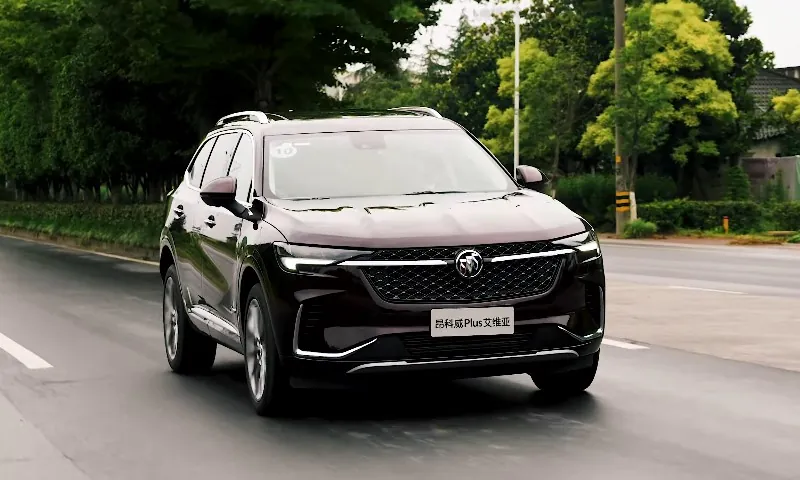
In tariff policy, “Chinese” usually refers to assembly location, not the brand’s headquarters.
Before the most recent trade actions, several China-assembled vehicles were sold in the U.S., including:
- Buick Envision, assembled in China for the U.S. market
- Lincoln Nautilus, assembled in China and sold domestically
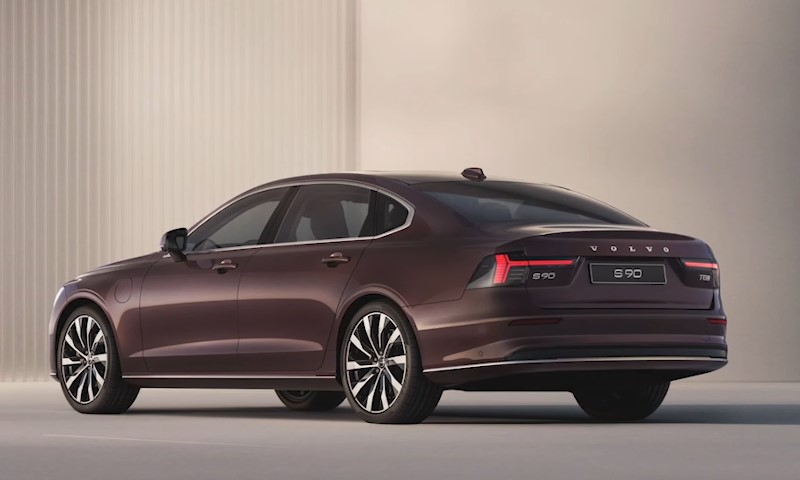
- Volvo S90, built in China, with availability tied closely to tariff math
For consumers, the implication is direct. If a vehicle you want is assembled in China, pricing and availability can change quickly. Importers have to decide whether the vehicle still works financially once the border tax is applied.
The Hidden 2026 Cost Driver, EV and Battery Input Tariffs
Even buyers who plan to avoid China-assembled vehicles entirely are not insulated from 2026. Several tariff actions target the EV supply chain itself.
Section 301 modifications finalized by the U.S. Trade Representative include phased measures that reach into 2026:
- Non-EV lithium-ion batteries: 25% starting January 1, 2026
- Natural graphite: 25% in 2026
- Permanent magnets: 25% in 2026
Why that matters at the showroom level:
- Battery materials are heavily linked to China. Energy analysis shows China processing over 90% of the world’s graphite.
- Supply concentration raises costs when shocks hit. International energy agencies have warned that concentrated supply chains can translate into materially higher downstream prices.
- EV affordability depends on stable battery pricing. If inputs rise due to tariffs or forced sourcing shifts, costs can increase even for vehicles assembled in the U.S. or Mexico.
The result is a quieter form of price pressure. It does not depend on where the final vehicle is built. It flows through components.
What to Watch as a 2026 Buyer
Tariffs work in the background. Shoppers rarely see them directly. A few practical signals can help you gauge risk.
Policy Timelines
Customs guidance shows the China reciprocal duty remaining in effect until November 10, 2026, unless changed.
That date creates a real policy cliff inside the model year. Buyers shopping late in 2026 may face different conditions than those buying earlier.
Model Exits and Production Shifts
When tariffs get large enough, brands respond by shifting production or pulling models. Reporting around vehicles like the Volvo S90 illustrates how quickly availability can change once the numbers stop working.
Price Signals That Matter
During your search, pay attention to:
- Assembly location on the Monroney label or VIN
- Sudden changes in incentives, especially on leases
- Mid-year trim consolidation or quiet feature removals
Those are common early signs that cost pressure is building behind the scenes.
Bottom Line
For a China-assembled non-EV vehicle that remains on sale through 2026, a realistic expectation under current policy is several thousand dollars of added cost pressure.
That usually appears as smaller discounts, higher lease payments, or a 10% to 15% increase on affected models rather than a clean doubling of sticker prices.
For Chinese-made EVs, the 100% tariff alone is large enough to push outcomes toward limited availability rather than simple price increases, especially when other layers remain additive.
The key takeaway is not panic. It is awareness. By 2026, tariffs shape pricing through layers and supply decisions, not just headlines. Knowing where a vehicle is built and how its components are sourced will matter more than ever when you decide what to buy.