
Wheel shopping often starts with one number, and for many drivers that number is 5×100. It sounds simple, almost comforting. Five lugs, 100 millimeters, job done. Anyone who has chased vibrations, rubbing, or mystery clearance issues knows better. Bolt pattern opens the door, but fitment lives deeper inside the details.
A 5×100 bolt pattern means a wheel uses five lug holes arranged on a 100 mm pitch circle diameter. Tire Rack also lists the inch equivalent as 5 x 4.00, which shows up on older charts and catalogs. That definition is straightforward. Real-life fitment rarely is.
Below is a full make-and-model list of 179 vehicles identified in a reputable fitment catalog, followed by practical guidance built around the same data.
Full List of Cars With a 5×100 Bolt Pattern (179 Models)
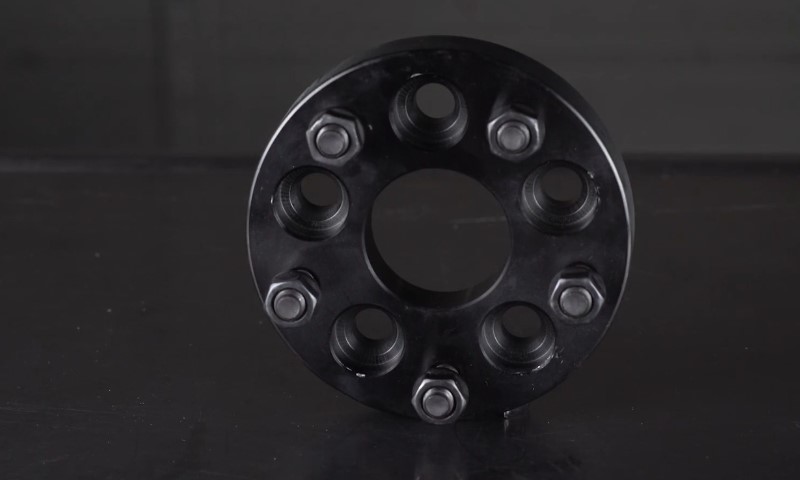
The following list reflects 179 models identified by Size My Wheels, broken down by manufacturer.
Audi (6 Models)
- A1
- A2
- A3
- S1
- TT
- TT Roadster
Buick (1 Model)
- Skylark
Chevrolet (4 Models)
- Beretta
- Cavalier
- Corsica
- Monte Carlo
Chrysler (7 Models)
- Cirrus
- Fifth Avenue
- LeBaron
- New Yorker
- PT Cruiser
- Saratoga
- Sebring
Dodge (7 Models)
- Colt
- Neon
- Neon SRT-4
- Shadow
- Spirit
- Stratus
- Viper
FAW (1 Model)
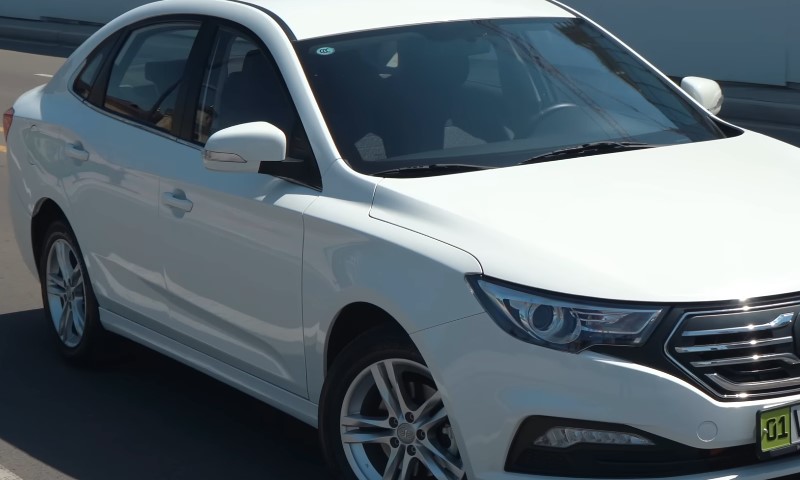
- Besturn B30
GAZ (1 Model)
- Volga Siber
Isuzu (1 Model)
- Aska
JAC (1 Model)
- Refine M5
Lexus (2 Models)
- CT200h
- IS
MG (10 Models)
- 350
- 550
- 6
- 7
- 9
- 9 EV
- BEE
- HS
- ZS
- ZT
Plymouth (7 Models)
- Acclaim
- Breeze
- Grand Voyager
- Neon
- Prowler
- Sundance
- Voyager
Pontiac (9 Models)
- Aztek
- Bonneville
- Grand Am
- Grand Prix
- GTO
- Montana
- Sunbird
- Sunfire
- Trans Sport
Rover (1 Model)
- Rover model listed in the catalog
Saab (1 Model)
- 9-2X
Scion (3 Models)
- FR-S
- iM
- xD
Seat (5 Models)
- Arosa
- Cordoba
- Ibiza
- Leon
- Toledo
Skoda (6 Models)
- Citigo
- Fabia
- Kamiq
- Octavia
- Rapid
- Roomster
Subaru (24 Models)
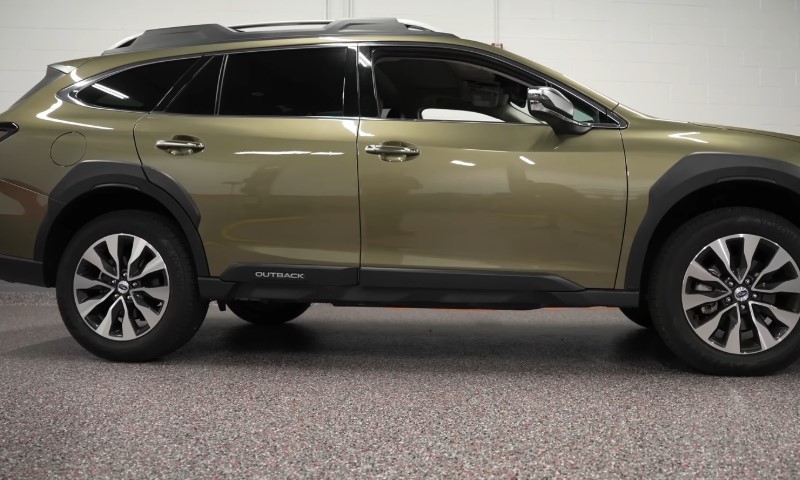
- Baja
- BRZ
- Exiga
- Forester
- Impreza
- Impreza WRX
- Impreza WRX STI
- Legacy
- Legacy Lancaster
- Levorg
- Outback
- R1
- R2
- Sambar
- Stella
- Trezia
- Tribeca
- Vivio
- WRX
- XV
- Plus additional Subaru entries shown within the same model set
Toyota (36 Models)
- 86
- Allion
- Auris
- Avensis
- Avensis Verso
- Caldina
- Camry
- Carina
- Carina E
- Celica
- Corolla
- Corolla Verso
- Curren
- ES
- Ipsum
- Isis
- Mark II
- MR2
- Opa
- Picnic
- Prius
- Probox
- Ractis
- SAI
- Scepter
- Sienna
- Solara
- Starlet
- Tercel
- Verso
- Vista
- Voltz
- WiLL
- Wish
- Yaris
Volkswagen (35 Models)
- Ameo
- Beetle
- Bora
- Bora Variant
- C-Trek
- Clasico
- Corrado
- Cross Lavida
- Cross Santana
- CrossFox
- CrossPolo
- Fox
- Golf
- Golf City
- Golf Variant
- Gran Lavida
- Gran Santana
- GTI
- Jetta
- Jetta City
- Lavida
- Lavida Classic
- Lupo
- New Beetle
- Passat
- Passat Variant
- Polo
- Santana
- Space Cross
- SpaceFox
- SportVan
- Suran
- T-Cross
- Vento
- Virtus
Brilliance (11 Models)
- BC3
- BS2
- BS4
- BS6
- FSV
- FRV
- H320
- H330
- M2
- V5
- V7
Make Counts at a Glance
The catalog distribution helps explain why used 5×100 wheels circulate so widely.
| Manufacturer | Models |
| Toyota | 36 |
| Volkswagen | 35 |
| Subaru | 24 |
| Brilliance | 11 |
| MG | 10 |
| Pontiac | 9 |
| Chrysler | 7 |
| Dodge | 7 |
| Plymouth | 7 |
| Audi | 6 |
| Skoda | 6 |
| Seat | 5 |
| Chevrolet | 4 |
| Scion | 3 |
| Lexus | 2 |
| Buick, FAW, GAZ, Isuzu, JAC, Rover, Saab | 1 each |
What “5×100” Actually Describes
View this post on Instagram
The terminology breaks down cleanly.
- 5 refers to the number of lug holes.
- 100 refers to the diameter, in millimeters, of the imaginary circle that passes through the center of all five lugs.
Tire Rack describes bolt pattern as the number and spacing of lug openings that match the hub’s stud or bolt layout, based on that imaginary circle.
Nothing in that definition guarantees the wheel will center properly, clear suspension components, or accept the factory lug hardware. The bolt pattern acts as a first checkpoint, not a green light.
Why 5-Lug Patterns Get Mis-Measured
Four-lug wheels allow a straight-across measurement. Five-lug wheels do not. Tire Rack notes that measuring a 5-lug pattern requires measuring from the center of one lug to an imaginary point across the wheel, which makes near-identical standards easy to confuse without a proper gauge or a reliable reference.
That explains why 5×98 and 5×100 get mixed up so often, especially in used wheel listings. A 2 mm difference sounds tiny. On a hub, it becomes a stress problem.
The Compatibility Checklist That Matters
A wheel that shares a bolt pattern can still be a poor fit. Three other factors decide whether it rides smoothly or causes problems.
Center Bore and Vibration Control
Tire Rack defines the center bore as the machined opening that centers the wheel on the vehicle hub. Hub-centric fitment matters more than many buyers expect.
Quick reality check:
- A bore that is too small means the wheel will not mount.
- A bore that is larger often requires hub-centric rings to keep the wheel centered, depending on wheel design.
Lug-centric mounting can work on some platforms, but many modern cars respond poorly to even minor centering errors.
Offset and Clearance
Offset measures the distance from the hub mounting surface to the wheel’s centerline, measured in millimeters. Tire Rack points out that incorrect offset affects suspension clearance, steering geometry, and fender position.
A wheel with perfect bolt pattern and bore can still rub struts or poke past the fenders if offset strays too far from factory ranges.
Lug Hardware and Seat Style
Hardware mismatch remains one of the most overlooked issues. Even with a correct 5×100 PCD, problems appear when a vehicle uses:
- Lug bolts instead of studs and nuts.
- Ball-seat hardware instead of conical seats.
- A different thread pitch than the wheel expects.
European platforms and Japanese platforms often differ here, even when sharing the same bolt pattern.
The Three Common 5×100 Hub Bore Families
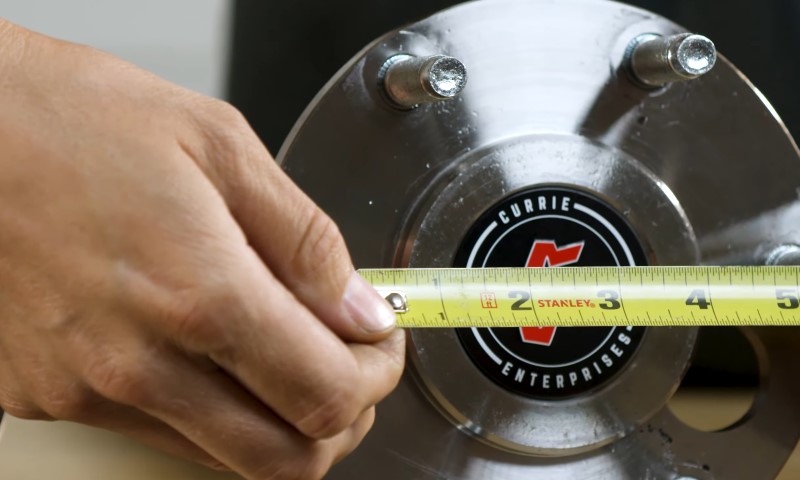
Patterns repeat across platforms, which helps explain why some swaps work easily while others fight back.
54.1 mm Hub Bore Family
Common among many Toyota-based applications.
Typical examples include:
- Prius from 2004 onward.
- Corolla US models from 2013 onward.
- Avensis generations listed in fitment catalogs.
Wheels from this group often interchange well when offset lines up.
56.1 mm Hub Bore Family
Associated heavily with Subaru and its shared platforms.
Common examples include:
- Subaru BRZ from 2012 onward.
- Legacy and Outback.
- Toyota GT 86.
That shared bore explains the constant cross-shopping between Subaru and Toyota sports models.
57.1 mm Hub Bore Family
Seen in Volkswagen Group vehicles from certain eras.
Common examples include:
- Audi A3 8L.
- Audi TT 8N.
- Seat Leon and Toledo.
- Skoda Octavia from the same generation window.
When buying used wheels, bore size often reveals whether a claimed “5×100” wheel will truly fit without adapters or rings.
Real-World Fitment Patterns Worth Knowing
Lists show compatibility. Daily experience explains behavior.
VW Golf and GTI Mk4
The 1999 to 2005 Golf and GTI Mk4 platforms use 5×100 and remain some of the most common wheel swap targets. Platform-specific guides often suggest offsets in the ET30 to ET35 range for predictable fitment.
Subaru BRZ and Toyota GT 86
Both models share 5×100, and the Subaru-family center bore. That overlap explains why wheels move freely between them in classifieds.
Verification still matters. Brake caliper clearance, offset range, and lug seat type vary by wheel design, even when the hub matches perfectly.
Used Wheel Shopping: A Practical Sanity Check
When someone says, “5×100 so it fits,” pause. Ask three follow-up questions.
- What is the center bore?
- What is the offset?
- What lug hardware does the wheel require?
A seller who cannot answer those questions probably never verified fitment themselves.
Why 5×100 Remains Popular
The pattern covers decades of compact, midsize, and performance vehicles across Japanese, European, and American brands. That breadth keeps aftermarket support strong and resale active.
Drivers benefit from availability. The downside involves assumption. Too many fitment problems start with blind confidence in bolt pattern alone.
Final Thoughts
A 5×100 bolt pattern opens a wide door, covering 179 models across dozens of brands. That reach makes wheel shopping easier and riskier at the same time. Success depends on treating bolt pattern as the starting point, not the finish line.
Center bore, offset, and hardware decide whether a wheel feels factory-smooth or becomes a source of vibration and wear. Buyers who slow down and verify details usually end up with a clean fit and fewer regrets.