
Starting a used car dealership in the US calls for more than enthusiasm for cars or a good eye for clean inventory. You step into a regulated space tied to real capital, consumer protection rules, and a market that shifts whenever interest rates or buyer confidence move. Yet the opportunity is solid.
According to NIADA, Independent used car dealers sold more than 12.75 million vehicles in 2023 and moved another 4.46 million used units through April 2024. That activity shows steady demand across the country, with plenty of room for operators who treat the business with structure and discipline.
The guide below follows the exact path successful dealers use when they launch. Every stage matters. Every detail builds toward a dealership that runs clean processes and earns repeat buyers.
Step 1: Know the Market You Plan To Serve
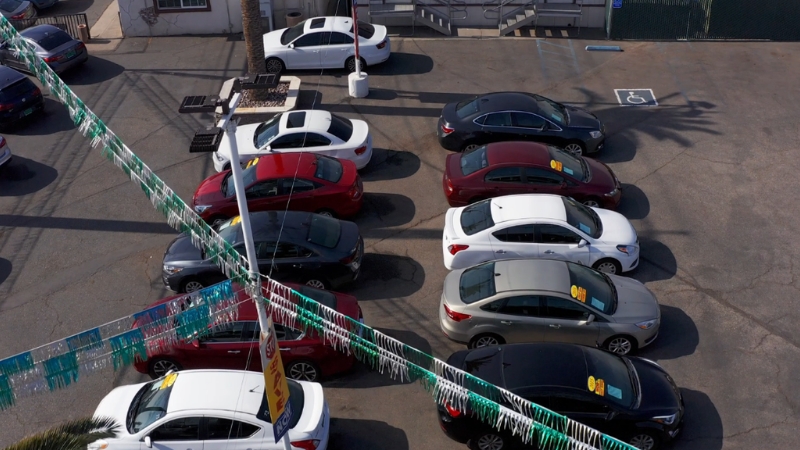
National numbers help anchor the big picture. Reuters reported that the new light vehicle sales reached around 15.8 million units in 2024. High new-car volume always creates more trade-ins and lease returns, which feed the used supply.
Independent dealers get their inventory from that stream, along with auctions, direct sellers, and fleet liquidations.
Your real work starts locally. A dealer survives only if the store sits in a market with real demand and a realistic price ceiling.
What to Study in Your Area
- Median household income
- Unemployment trends
- Average used vehicle transaction prices
- Competing independent and franchised stores
- Population growth and commuting patterns
Local chambers of commerce, auto dealer associations, and NIADA can point you toward credible benchmarks. You want a data-backed view of how many units your market can support each month.
Pick a Niche Instead of Casting a Wide Net
Dealers rarely try to sell every kind of car. You tighten your strategy early by choosing one of the common models:
- Budget cars are priced under a clear threshold, often under $12,000
- Late-model and low-mileage inventory
- Category specialists, for example, trucks, SUVs, luxury, EVs, or specific imports
- Buy-here-pay-here operations, where you finance buyers directly
Each choice determines your capital needs, risk tolerance, and regulatory exposure. A small lot with 8 to 15 units keeps overhead low but also limits revenue per sale. BHPH brings higher gross profit per unit but carries additional finance regulation and heavier compliance pressure.
Step 2: Build a Financial Plan That Matches Reality

No lender, landlord, or insurance carrier will take you seriously unless your numbers hold up.
Many first-time operators study frameworks used in professional investment circles, and the Private Equity Hub can serve as a useful reference when shaping disciplined financial governance.
Car dealerships are capital-intensive even at the small end.
Startup Cost Ranges That Appear Frequently
According to Business Dojo:
- Typically used dealership launch: $100,000 to $500,000
- Average around $275,000 for a standard retail lot
- Mid-sized independent dealership in places like California: $300,000 to $750,000 or more, plus $20,000 to $40,000 in monthly overhead
- Lean wholesale or micro-lot: $15,000 to $50,000, usually with minimal buildout
Map out actual line items rather than relying on a generic template. Your cost list should include:
Facility
- Security deposit and rent or mortgage
- Office buildout, utilities, signage, lighting, fencing, striping
Licensing and Compliance
- Application fees
- Dealer education courses and exam expenses in states that require them
- Fingerprinting and background check charges
Bond and Insurance
- Dealer surety bond premium
- Garage liability, open lot coverage, and property insurance
Inventory and Reconditioning
- Initial vehicle purchases
- Mechanical work, detailing, photography
Technology
- Dealer management software
- Website and hosting
- Online listings
- Phones, internet, and hardware
Staffing
- Three to six months of payroll and basic overhead buffer
How Most Dealers Fund the Launch
- Owner savings
- Bank loans secured by business assets
- SBA 7(a) loans, which support working capital and fixed assets
(SBA rules permit dealerships if net worth stays under $8.5 million and average net income remains under $3 million, but those funds cannot go toward floorplan financing) - Floorplan credit lines from specialized lenders
You present a forecast that includes projected unit sales, average gross per vehicle, reconditioning costs, seasonal variations, and fixed overhead. Clear numbers give lenders confidence and help you avoid early cash-flow friction.
Step 3: Form the Legal Entity and Register Properly
Before you think about your dealer license, you need a business structure and federal identifiers.
Pick a Structure That Protects You
Most dealerships choose:
- LLC
- S corporation
- C corporation
A sole proprietorship rarely makes sense because liability exposure is significant. Once you choose the structure, you can bring in a CPA or attorney for tax and partnership guidance.
Register at the Federal and State Levels
- File your entity with the Secretary of State
- Obtain an EIN from the IRS
- Register for state sales tax and related business taxes
- File trademarks or DBA paperwork if you plan to operate under a brand name
Every item on that list will be required during the dealer license application. Your bond company, bank, and insurance broker will also request copies.
Step 4: Secure a Dealership Location That Passes Inspection

Dealer licensing teams inspect your property. They want proof that you operate a legitimate business from a proper commercial site.
Common Location Standards Across Many States
- Property zoned for auto sales
- An enclosed office with electricity, heating, and a space for contracts
- A display lot sized for a defined number of vehicles
- A permanent sign with required letter height and visible branding
Some states also ask for:
- Posted business hours
- Adequate evening lighting
- Paved or improved surfaces rather than dirt
Your best strategy is to speak directly with the zoning office and your state DMV or dealer board. You want written clarity before signing a lease. Leasing usually makes more sense at the beginning, so you keep capital free for inventory.
Step 5: Apply for Your Dealer License and Bond
View this post on Instagram
The license is the legal core of the business. You cannot sell a single vehicle until the certificate is issued.
The Typical Dealer License Package Includes
- Completed application forms naming all owners and managers
- Proof of business registration and tax ID
- Lease or deed for the dealership site
- Photos of the lot, office, and signage
- Zoning approval letter
- Proof of dealer education course completion and exam results in states that require them
- Fingerprinting and background checks
- Evidence of insurance and your dealer surety bond
Most states require a site inspection before granting the license.
What You Need to Know About the Surety Bond
The bond protects the public and the state from fraud or unpaid fees.
Bond amounts vary, and here are the numbers based on Lance Surety Bonds data:
- Many states fall between $10,000 and $100,000
- California and Texas often require $50,000
- Florida commonly requires $25,000
- Georgia uses $35,000 for used motor vehicle dealers (per Bond Ability)
Premium cost depends on credit. Strong credit may land near 1% to 3%. Weaker credit can climb toward the high single digits. For a $50,000 bond at a 2% premium, you pay about $1,000 per year.
Step 6: Learn the Consumer Protection Rules You Must Follow
@guydealership The Federal Trade Commission (or FTC) has its crosshairs on how dealers sell cars. But will their new CARS rule protect consumers or ruin the car buying experience? Brad Miller, Head of Legal at ComplyAuto, explains the implications: Stream it now @ cdg podcast #complyautopartner ♬ original sound – Car Dealership Guy
Dealerships operate under strict federal and state requirements meant to protect buyers from hidden defects, unclear fees, and misleading advertising.
FTC Used Car Rule
Every used dealer in every state except Maine and Wisconsin must follow it. According to FTC, you must:
- Display a Buyer’s Guide on every vehicle
- Show whether it is sold as is or with a warranty
- State which systems are covered and the duration
- Provide a completed Buyer’s Guide at closing and make sure it matches the contract
The FTC publishes templates and clear instructions. Set up a process so no car hits your lot or website without a compliant Guide.
Additional Areas to Stay On Top Of
- Truth in Lending Act requirements if you arrange financing
- Privacy rules around customer data
- State advertising rules
- Salesperson licensing in states that require individual credentials
Most independent dealers join NIADA or their state association to stay up to date on regulatory changes.
Step 7: Build Your Inventory Strategy
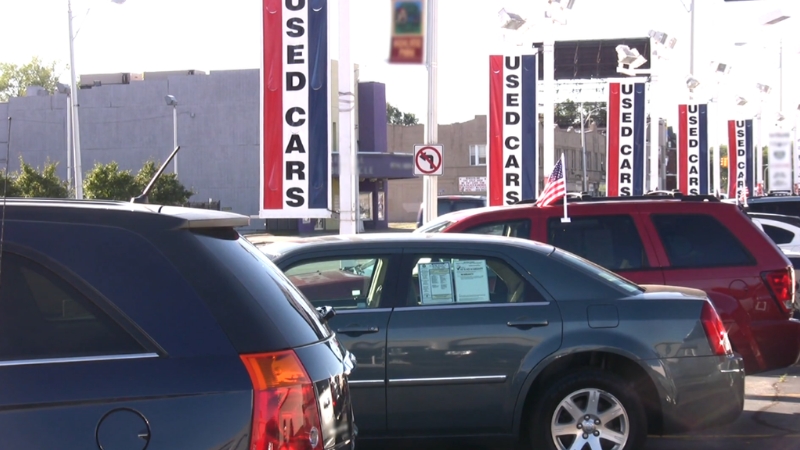
A dealership lives or dies on inventory quality. A good buy-box protects your margins and keeps reconditioning costs under control.
Main Sourcing Channels
- Online and in-person wholesale auctions
- Trade-ins
- Direct purchases from consumers
- Off-lease and fleet units
- Other dealers’ aging inventory
Define your criteria before you step into an auction:
- Target years and miles
- Maximum reconditioning spend
- Gross profit target per unit
Reconditioning and Presentation Workflow
Every unit should pass through a structured pipeline:
- Mechanical inspection
- Repairs for safety items like brakes, tires, lights, and steering
- Cosmetic work that still fits within your margin
- Full detail and professional photos
Add everything to your DMS and online listings with accurate descriptions. Consistency helps shorten days-to-sale.
Reconditioning becomes a profit center over time. National dealership data shows that service and parts fuel large shares of gross profit for franchised stores. Independent dealers operate on a smaller scale but benefit from the same principle.
Step 8: Put Insurance and Risk Controls in Place

Dealerships face theft, hail, liability claims, title disputes, and workplace injuries. You cannot operate safely without the right coverage.
Policies That Most Dealers Carry
- Garage liability
- Dealer open lot coverage for inventory
- Property insurance
- Workers’ compensation
- Errors and omissions or title coverage
According to Wexford Insurance, premiums vary, often between $3,000 and $25,000 per year, depending on location, inventory value, claims history, and store size. Work with a broker who specializes in dealers to avoid coverage gaps.
Step 9: Build a Lean Team and Tight Operational Systems

You can start small, but you cannot start sloppy.
Core Roles at Launch
- Dealer-operator or general manager
- One or two salespeople
- Title and paperwork coordinator
- Contract technician and part-time detailer
As sales climb, you add a finance manager and a full-time technician.
Systems You Need on Day One
- Dealer management software
- CRM or structured lead log
- Title tracking system
- State-compliant forms and disclosures
Successful independent dealers keep a close watch on inventory turns, average gross, and reconditioning expense. That discipline keeps the store stable through slower seasons.
Step 10: Market the Store and Standardize Your Sales Flow
Hey there! Car dealerships are eligible to have a page for each brand at the location, as well as a page for the departments. Feel free to send us a DM if you have any other questions. Thanks! -Brad
— Google Business Profile (@GoogleMyBiz) February 11, 2020
Customers rarely appear without guidance. You need a clean digital footprint and a reliable process once buyers show interest.
Your Digital Presence Should Include
- A professional website with accurate listings
- Financing information if offered
- Business hours and location
- Google Business Profile with staff photos
- Listings on major marketplaces
- Basic social profiles with real content
Accurate pricing and trustworthy information outperform flashy ads. Your internet reputation becomes part of your sales funnel.
Build a Repeatable Sales Process
- Greet the customer and learn their budget and vehicle needs
- Present two or three cars that fit their profile
- Offer test drives with clear rules
- Review the Buyer’s Guide, pricing, taxes, and optional products
- Complete paperwork cleanly and organize copies
- Ask satisfied customers for honest online reviews
Training materials from dealer associations often emphasize consistent process over persuasion. Customers respond to clarity and honesty.
Step 11: Follow a Tight Launch Checklist and Monitor the First 90 Days

Before the store opens, you want every compliance box checked and every operational system ready.
Pre-Launch Checklist
- Entity formed and registered
- EIN and tax accounts active
- Lease signed and zoning confirmed
- Lot and office complete with permanent sign
- Dealer bond and insurance active
- Dealer license approved
- Salesperson licenses issued where required
- DMS and website operational
- Starting inventory purchased and reconditioned
- Buyers Guides printed
- Written policies for pricing, trade-ins, and returns
Priorities for the First 90 Days
- Track every lead source and measure conversions
- Watch average reconditioning cost
- Monitor units in stock
- Track average days in inventory
- Review gross per unit weekly
- Respond quickly to any customer complaint or paperwork error
Market conditions shift with the economy and policy changes such as EV incentives. Dealers with precise operations weather those shifts more effectively than stores that operate without structure.
Final Thoughts
Launching a used car dealership in the US calls for patience, clear capital planning, and respect for regulation. The steps you follow early create the habits you use later when inventory swings, interest rates move, or competition tightens.
If you build on a foundation of accurate numbers, clean processes, and strong customer treatment, you set up a business that can grow steadily year after year.