
In the commercial trucking industry, most people focus on the truck itself when discussing maintenance, breakdowns, and operational costs. Engines, transmissions, tires, and fuel efficiency typically receive the most attention from fleet managers and owner-operators alike. However, many experienced professionals in logistics know that trailer-related failures can be just as disruptive – and in some situations, even more expensive.
A single trailer breakdown can create a chain reaction of delays, missed deliveries, damaged cargo, compliance issues, and emergency roadside expenses that quickly escalate into thousands of dollars in unexpected costs. In today’s freight market, where delivery windows are tighter than ever and customers expect constant reliability, even a few hours of downtime can significantly impact operations.
For fleets managing multiple vehicles across long-distance routes, trailer reliability is no longer just a maintenance issue. It has become a critical operational priority.
Trailer Problems Often Happen Without Warning
Unlike some engine or transmission issues that develop gradually over time, trailer failures frequently occur unexpectedly and in inconvenient locations. Drivers may begin a route with no visible signs of trouble, only to experience problems hundreds of miles later while transporting time-sensitive cargo.
Some of the most common trailer-related failures include:
- brake system malfunctions,
- tire blowouts,
- axle damage,
- electrical failures,
- lighting issues,
- suspension problems,
- reefer unit breakdowns,
- hydraulic system failures,
- door and locking mechanism issues,
- and structural damage caused by heavy loads or road conditions.
When these problems occur on highways, remote industrial roads, or during overnight transport schedules, the consequences can quickly become expensive.
Delayed Freight Means Lost Revenue
For logistics companies, the biggest cost is often not the repair itself — it is the downtime that follows.
Every delayed shipment creates additional pressure throughout the supply chain. Warehouses may need to reschedule unloading appointments, customers may face inventory shortages, and dispatchers are forced to reorganize routes while trying to minimize operational disruption.
In industries such as food distribution, refrigerated transport, automotive logistics, and retail supply chains, delays can quickly become critical.
A reefer trailer malfunction, for example, can place temperature-sensitive cargo at risk within hours. If the refrigeration system fails completely, companies may face product spoilage, rejected shipments, insurance complications, and contractual penalties.
This is one reason why fleets increasingly prioritize fast access to professional trailer repair shops capable of handling emergency commercial trailer repairs quickly and efficiently.
Specialized repair providers can often reduce downtime significantly by diagnosing problems faster, sourcing heavy-duty replacement parts, and dispatching technicians who understand commercial trailer systems.
Emergency Roadside Service Costs Continue to Rise
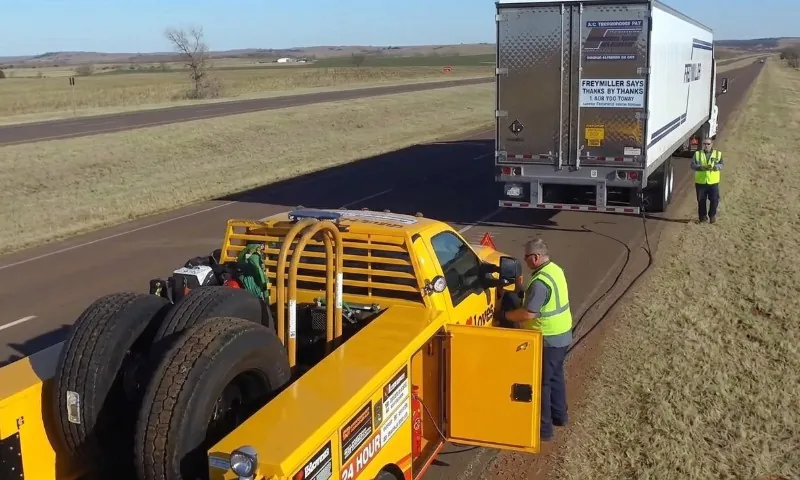
Another factor contributing to high breakdown costs is the increasing price of emergency roadside support for heavy-duty vehicles.
Unlike standard passenger vehicle assistance, commercial roadside service requires specialized equipment and technicians trained to work with large trailers and transportation systems. Emergency service calls may involve:
- mobile mechanics,
- roadside tire replacement,
- welding services,
- air brake repairs,
- trailer electrical diagnostics,
- hydraulic repairs,
- lockout services,
- or heavy-duty towing and recovery.
When breakdowns occur late at night, during severe weather, or in remote areas, emergency service pricing can increase substantially.
In some situations, fleets may also need to arrange temporary cargo transfers, replacement trailers, or alternate transportation solutions while repairs are being completed.
These secondary expenses often exceed the cost of the original repair itself.
DOT Violations Can Make the Situation Worse
Trailer-related mechanical problems can also lead to Department of Transportation compliance issues.
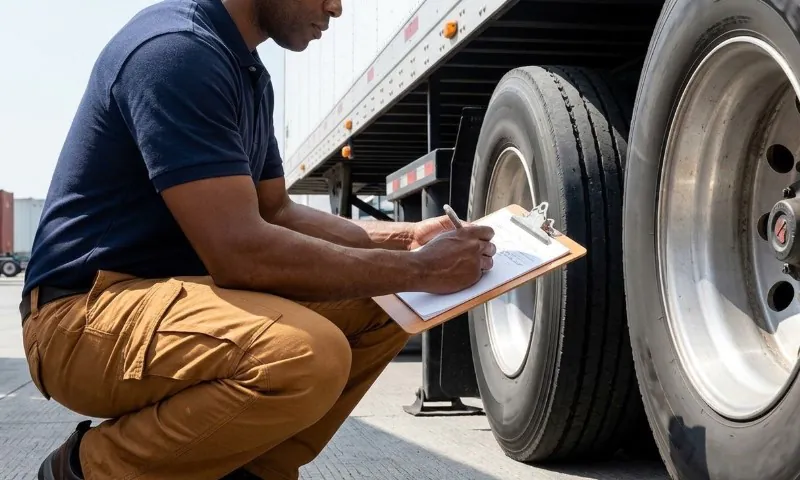
Brake defects, lighting failures, damaged tires, suspension issues, and structural problems may all result in violations during roadside inspections. In severe cases, trailers can be placed out of service entirely until repairs are completed.
For fleets operating under strict delivery schedules, this creates serious operational challenges.
In addition to direct repair costs, companies may face:
- delayed freight,
- rescheduled loads,
- driver downtime,
- missed contracts,
- reduced fleet utilization,
- and reputational damage with customers.
As DOT inspections become increasingly detailed and enforcement standards continue tightening across the industry, preventative trailer maintenance is becoming far more important than many fleets previously realized.
Preventative Maintenance Is Becoming a Competitive Advantage
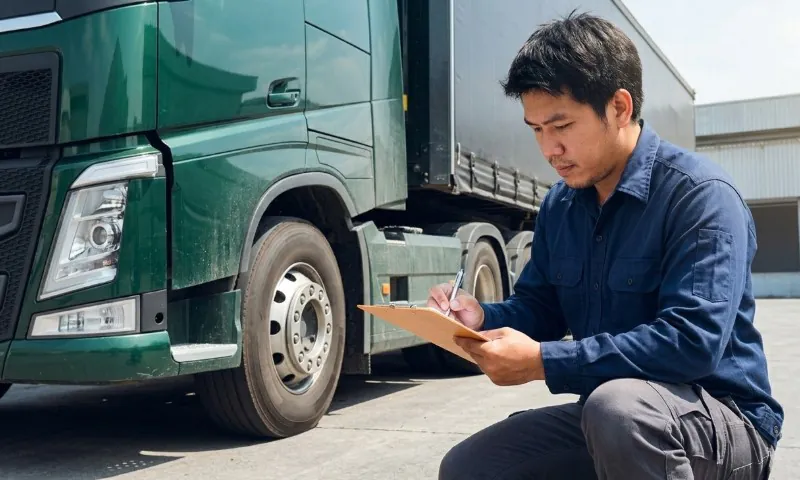
More fleet operators are now recognizing that proactive trailer maintenance is often significantly less expensive than emergency roadside repairs.
Routine inspections can help identify:
- brake wear,
- tire problems,
- damaged suspension components,
- electrical issues,
- reefer system inefficiencies,
- and structural fatigue before major failures occur.
This allows fleets to schedule repairs strategically instead of dealing with unexpected breakdowns during active freight operations.
In highly competitive transportation markets, reducing downtime has become a major advantage. Even small improvements in fleet reliability can have a substantial impact on long-term profitability.
For owner-operators, avoiding one major roadside incident can sometimes mean the difference between a profitable month and a financial setback.
Technology Is Changing How Drivers Find Help
The trucking industry has also changed dramatically in the way drivers locate repair and roadside services.
Years ago, drivers often relied on dispatchers, paper directories, CB radio recommendations, or limited local contacts when searching for help during breakdown situations. Today, most commercial drivers immediately search online for nearby repair providers capable of servicing heavy-duty trucks and trailers.
This growing dependence on digital search tools has increased demand for industry-specific service directories that focus entirely on commercial transportation support.
Drivers increasingly need fast access to:
- truck repair facilities,
- trailer repair specialists,
- roadside mechanics,
- towing companies,
- hydraulic repair providers,
- reefer repair technicians,
- and DOT inspection services.
When breakdowns happen unexpectedly, speed matters.
Having immediate access to professional truck repair services can help fleets minimize delays, reduce roadside risks, and return vehicles to operation much faster.
The Real Cost Is Often the Domino Effect
One trailer failure rarely impacts only a single load.
Modern logistics systems are highly interconnected, meaning one delayed shipment can affect multiple warehouses, drivers, appointments, and distribution schedules simultaneously.
A trailer breakdown may lead to:
- late deliveries,
- additional labor costs,
- overtime pay,
- fuel waste,
- missed pickup windows,
- customer dissatisfaction,
- and lost future business opportunities.
For large fleets operating hundreds of vehicles, repeated downtime incidents can eventually affect overall operational efficiency and profitability.
That is why more transportation companies are investing heavily in:
- preventative maintenance programs,
- emergency roadside partnerships,
- faster diagnostics,
- and better access to specialized commercial repair providers.
Reliability Matters More Than Ever
The transportation industry continues evolving rapidly as freight demand, delivery expectations, and operational pressures increase across North America.
While trucks themselves remain the foundation of commercial transportation, trailers are equally important parts of the supply chain – and their failures can create serious financial consequences when problems occur unexpectedly.
For fleets, owner-operators, and logistics providers alike, reducing trailer downtime has become essential for maintaining profitability and keeping operations running smoothly.
As the industry grows more dependent on fast-moving freight networks and just-in-time delivery systems, reliable repair support and rapid roadside response are becoming more valuable than ever before.