

Buying a car once felt like a slow dance between buyer and seller. Now the market moves at high speed, and a listing has only moments to grab attention before shoppers scroll past.
Plenty of owners wonder why their ads sit untouched while similar cars disappear in a day. The difference often comes down to how the story is told.
A well-built listing can spark interest, build trust, and turn casual browsers into serious buyers.
Let’s dig into the craft behind a listing that pulls people in and gets a car off your hands fast.
The Importance of Opening Lines
A car listing lives on the spark you pour into it. People scroll fast, almost bored, and a cold intro melts into the feed without a trace.
Strong openings pull us closer, almost like someone locking eyes and telling us there is something worth our attention.
Slip in a small touch like a card generator, and the whole thing gains flavor, giving the sense that you know how to blend real talk with simple tools that make the listing feel alive.
Good listings sound like people, not forms. We pick up rhythm, warmth, and confidence, the kind of tone that nudges us to lean in.
Energy and honesty set the mood right away. Attitude adds the final spark. We react to that mix because it feels true.
Photos That Make People Actually Stop and Look

Good visuals matter far more than people admit. Clean light, steady angles, and clear detail help someone feel close to the car before they even think about reading the description.
People want to see the cabin, the sides, the wheels, the engine, and even the tiny flaws. Honest images create a sense of comfort.
Choose Light That Shows True Color
Soft daylight works best. Early morning or late afternoon gives a natural glow that avoids harsh reflections. Parking in open shade helps keep the paint consistent across the whole car.
Capture Angles That Reveal Shape
Front quarter, rear quarter, straight side views, and a direct front and back shot help buyers understand proportions. Angled photos reduce distortion and show panel alignment clearly.
Clean the Car Before Shooting
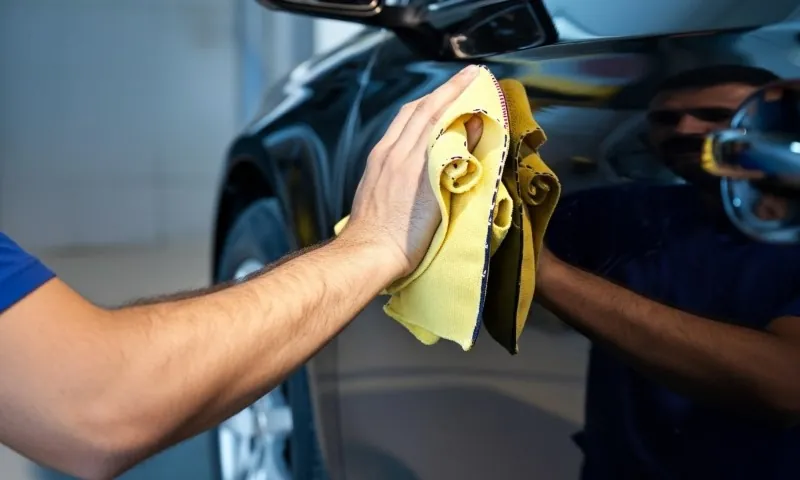
A quick wash, wiped windows, and a tidy interior change everything. Dirt hides scratches and creates suspicion. Clean surfaces make every detail easier to trust.
Open All Doors and Show the Whole Interior
People want to feel like they are stepping inside. Seat condition, stitching, dashboard buttons, carpets, and door panels all reveal how the car lived. A bright, clean cabin invites confidence.
Take Close Photos of Typical Wear Points
Seat bolsters, steering wheel texture, pedal condition, door sill marks, and center console areas tell the truth about mileage and care. Buyers rely on these small cues more than you think.
Photograph the Wheels and Tires Clearly
Wheel condition and tread depth help buyers estimate upcoming costs. Clear shots of all four corners remove doubts and show transparency.
Include an Engine Bay Photo
A clean and tidy engine bay does not mean the car is perfect, but it shows pride in ownership. A messy bay scares people immediately. A clean one sends the opposite signal.
Add a Photo of Any Flaws
Scratches, dents, worn spots, small imperfections, anything real. Honest shots build trust faster than perfect angles. Buyers appreciate clarity far more than perfection.
Details That Build Trust Without Trying Too Hard
View this post on Instagram
Useful information settles people fast. Mileage helps, but service history, repairs, small upgrades, and recent checkups tell a fuller story.
A calm, simple line about maintenance often feels stronger than a long description filled with hype.
Clear details give the sense that the car has been cared for. Buyers pick up on that and feel safer moving forward.
Pricing That Feels Fair When People Compare
Numbers shape the first reaction. Everyone checks similar listings and forms quick opinions about what feels real.
A fair price shows that you understand the market and respect the time of the person looking at your car.
When the figure fits the condition, the listing feels more believable and more inviting. People feel encouraged to reach out instead of scrolling past.
Check What Cars Actually Sell For
Listings mean nothing if the cars never move. Look at which ones disappear quickly. Fast pickups show the real market price. Dead listings with high numbers tell you what to avoid.
Match Your Car’s Condition to the Range
Every car sits somewhere between “needs work” and “ready to drive.” Put yours honestly in that zone. Fresh service, good tires, clean interior, and no warning lights push you upward. Neglected maintenance or visible wear pushes you downward.
Set a Floor Price Before You List
Decide the lowest number you are willing to accept. Keep it private. A floor price protects you during negotiation so you do not panic and drop too far in the moment.
Leave a Small Buffer for Bargaining
Buyers almost always negotiate. Add a little space above your floor so they feel like they win something without costing you more than you planned.
Consider Cost of Upcoming Work
If brakes, tires, fluids, or typical model issues are coming soon, factor that in. Pricing honestly around upcoming costs looks better than pretending nothing is needed.
Service History That Shows Real Care
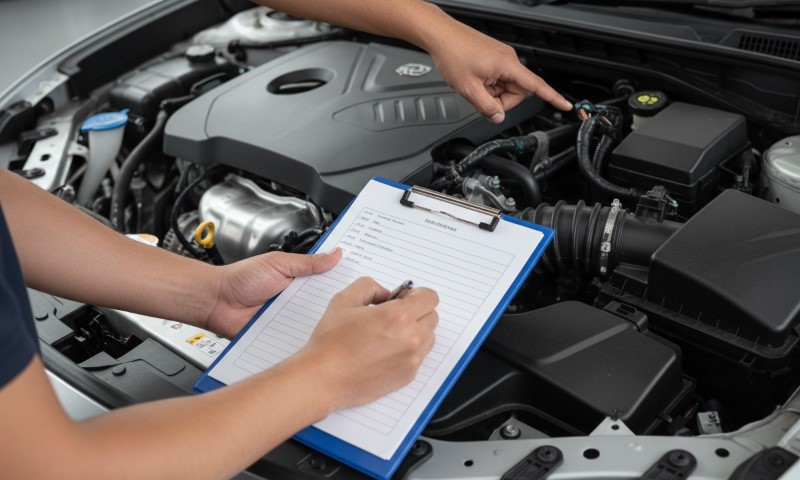
Maintenance records act like the car’s autobiography.
Receipts for oil changes, filters, brake pads, fluid flushes, and alignments show a car that has been loved.
A stamped service book, digital records, or even a simple folder of invoices all help buyers feel safer.
Communication That Feels Real and Straightforward
Clear communication separates serious sellers from messy ones. People want answers they can understand without pressure.
Quick responses show respect for their time. Being upfront about availability, condition, and location builds comfort.
Buyers often choose the seller who communicates the cleanest, not the one with the cheapest price.
Straightforward messages create a calm atmosphere that makes the whole experience easier for everyone.
Meeting Arrangements That Keep Everyone Comfortable
Safe, simple meetups create the right tone. Public parking lots, daylight hours, and clear directions make people feel relaxed.
Letting them take a few minutes alone with the car shows confidence. Bringing maintenance paperwork to the meeting helps them verify everything.
Respectful behavior during a test drive builds trust. Smooth, thoughtful arrangements make the buyer’s decision easier because the whole process feels organized and honest.
Final Thoughts
Creating a strong car listing is not complicated, but it does require intention. Clear photos, honest details, and realistic pricing work together to build trust long before a buyer contacts you. Solid communication and organized meeting arrangements strengthen that trust even further.
A listing that reflects genuine care stands out in a crowded market. When potential buyers feel comfortable and informed, they move faster and with more confidence.
Taking the time to present your car well often leads to quicker responses, smoother conversations, and a faster sale.