
Local car shopping still ends on the lot, but nearly everything before that moment happens on a screen. Buyers search on their phones, compare pricing, read reviews, scan inventory photos, ask friends, and check competing dealers long before anyone calls or walks through the door.
Marketing for car dealers in 2026 lives in that gap between first search and first visit. Winning locally no longer comes from louder ads or clever slogans. It comes from being visible nearby, trustworthy at a glance, and easy to deal with once interest sparks.
Google consumer research shows how fast local intent turns into action. When people search for something nearby on a smartphone, 76% visit a business within 24 hours, and 28% of those searches lead to a purchase. For dealerships, that window matters. Small friction points decide who gets the visit.
The goal here is simple. Remove friction, stack practical improvements, and let local intent do the heavy lifting.
Why Local Buyers Behave The Way They Do Now
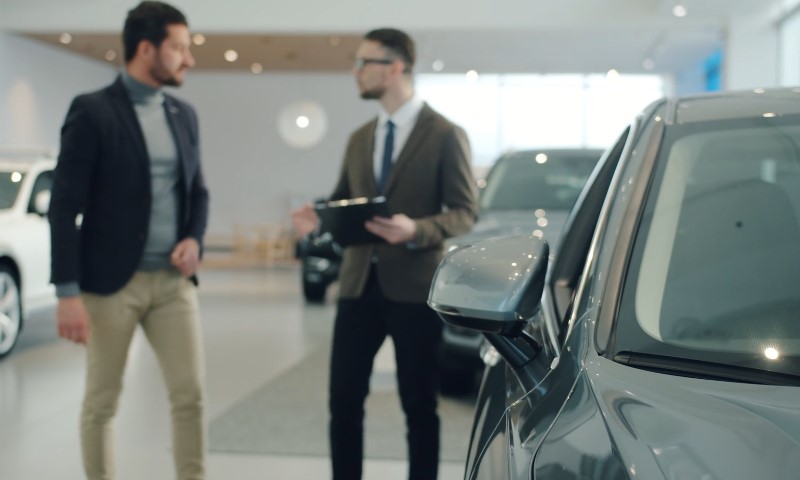
Car buyers have not stopped caring about test drives or in-person reassurance. The path to that moment has changed.
Most Shoppers Start Online, Even When They Buy In Person
Google’s Automotive Shopper Study via Think with Google found 2x as many consumers start vehicle research online compared to visiting a dealership first.
That early phase shapes everything. Buyers decide who looks credible, who feels transparent, and who seems like extra work before your sales team ever speaks to them. Marketing now happens quietly, long before contact.
Buyers Want Convenience Without Giving Up Confidence
Digital retail tools keep improving, yet full online transactions remain rare. A Wired report citing Cox Automotive data found that 28% of buyers think they want to complete the entire purchase online. Only 7% actually do. Most still want at least part of the process in person.
The winning message is not “everything online.” It is “start online, finish however you want.” Flexibility builds comfort.
Reviews Are Part Of The Purchase Decision
BrightLocal’s Local Consumer Review Survey from 2024 and 2025 shows how deeply reviews shape local decisions. In 2025, BrightLocal reported that 40% of consumers use at least 2 websites when reading reviews, and 74% use 2 or more.
For dealerships, reviews influence far more than walk-ins. They decide whether someone clicks a listing, fills out a form, or calls at all.
The Local Buyer Marketing Stack That Works
For the fastest improvement without wasted budget, prioritize efforts in this order:
- Google Business Profile
- Local inventory visibility
- Reviews and reputation
- Speed to lead and follow-up
- Paid search with local intent
- Retargeting and social proof
- Community presence and service marketing
Each layer supports the next. Fixing early friction makes later marketing cheaper and more effective.
For traffic that finds you before search page visits, consider pairing organic local SEO with broader reach through a trusted popup ad network.
Turn Your Google Business Profile Into A Lead Engine
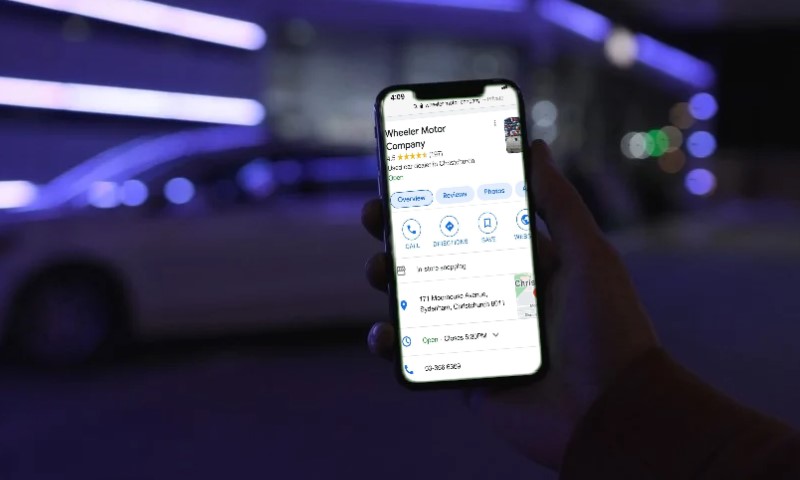
For many local searches, your Google Business Profile is the first real impression. Nearby searches convert fast, and profiles decide who gets visited.
Think with Google reports that 76% of nearby searches lead to a visit within a day, and 28% result in a purchase.
Core Information That Must Be Correct
Start with basics, since errors quietly kill trust.
- Correct name, address, and phone number with full consistency
- Accurate hours, including holidays
- Primary category set as “Car dealer” with relevant secondary categories
Features Buyers Actually Use
Profiles work best when buyers can act immediately.
- Inventory links where supported
- Working Call and Directions buttons
- Messaging enabled only if staff responds quickly
Photos That Build Confidence
Stock photos do not help. Real visuals reduce hesitation.
- Clear photo of the building front
- Lot rows with recognizable signage
- Service entrance and drive lane
- Real team photos
Posts That Perform Locally
Posts signal activity and availability.
- New arrivals with trim and price range
- Financing offers with clear terms
- Trade-in promotions
- Service specials
A simple posting rhythm that works
- 2 posts per week: inventory plus offer
- 10 new photos per month
- Q&A checked weekly
Stale profiles signal slow inventory, outdated pricing, and poor responsiveness.
Make Inventory Easy To Evaluate In Under 60 Seconds
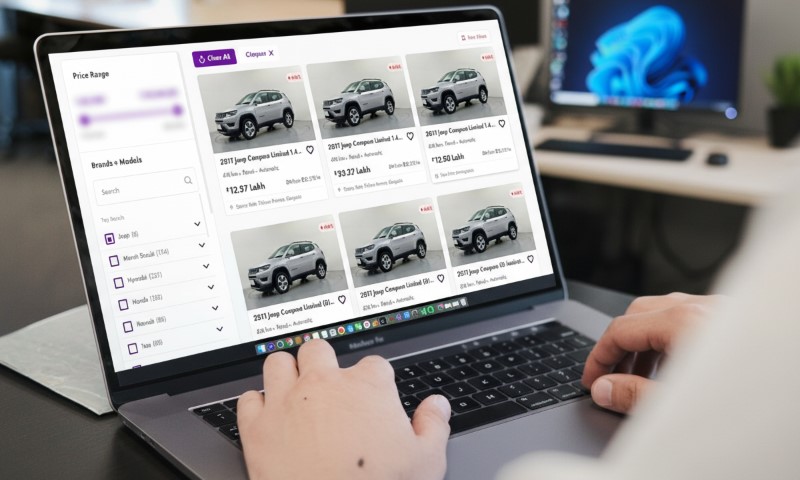
Local buyers decide quickly whether a visit feels worth it. Inventory pages should answer key questions fast.
- Is the vehicle available
- Is the price real
- Mileage and history
- Payment estimate options
- Ability to confirm before driving over
Merchandising Basics That Convert
- At least 25 real photos per vehicle
- Interior, exterior, and detail shots
- Tires, dashboard, infotainment, trunk
- Honest photos of flaws
- Video walkarounds for top sellers, even phone-shot
Trust Builders Buyers Look For
- Carfax or AutoCheck links
- Reconditioning notes
- Clear disclosures for prior rental or fleet vehicles
Remove Friction From Contact
- Check availability button
- Hold for test drive option
- One-click request for today’s out-the-door estimate
Pricing Clarity Beats Clever Copy
If pricing feels evasive, buyers leave and rarely return.
Practical rules that hold up locally:
- Low teaser pricing with multiple conditions lowers lead quality
- Market-based pricing with a clean breakdown converts better
Win Locally With Reviews Without Being Awkward
Reviews influence choice more than any single ad. The objective is steady, recent feedback that mentions specifics.
A Simple Review System That Works
Ask at the right moment
Best timing:
- Immediately after vehicle delivery
- Right after service pickup
Worst timing:
- Random follow-ups days later
- During financing paperwork
Make leaving a review easy
- Text message with a direct Google review link
- One tap, no searching
Encourage detail without scripting
A gentle prompt works:
“If you mention the model and who helped you, it helps other buyers.”
Responding To Negative Reviews Without Escalation
- Public response within 24 to 48 hours
- Acknowledge frustration
- Invite offline resolution with a real name and contact
- Avoid arguing facts publicly
Speed To Lead Is A Marketing Advantage

Leads cost money. Response speed decides whether that money turns into appointments.
DigitalDealer reporting tied to NADA-related insights shows dealerships with efficient follow-up see significantly higher conversion performance.
Fast response consistently wins across retail.
A Practical Response Standard
Internet leads
- First response under 10 minutes during business hours
- Second attempt within 1 hour
- Same-day follow-up with 2 to 3 touches
Phone calls
- Answer rate matters most
- Voicemail sends buyers elsewhere
What The First Message Should Do
Avoid vague check-ins.
Weak opening:
“Are you still interested?”
Strong opening:
- Confirm availability
- Offer appointment times
- Include a hold option
- Link to the exact VIN
“Yes, the 2022 Camry SE with VIN ending 4812 is available. Would 4:40 or 6:10 today work? I can hold it.”
Use Paid Search The Way Local Buyers Search
Paid search works when it mirrors real intent.
Local car shoppers search phrases like:
- “Used Tacoma near me”
- “2021 Civic Si price”
- “dealer with low APR”
- “trade in value near me”
A Clean Local Search Structure
Campaign 1: High-intent inventory
- Brand plus model near me
- Used model plus city
- Certified pre-owned searches
Campaign 2: Dealership name defense
- Your name
- Misspellings
- Reviews and phone number searches
Campaign 3: Service and parts
- Oil change city
- Brake service city
- Alignment near me
Service leads cost less and feed future sales.
Negative Keywords That Save Budget
Add exclusions like:
- free
- manual
- toy
- job
- salary
- auction unless applicable
Retarget Locally With Proof, Not Pressure
Most buyers leave without converting. Retargeting works when reminders feel useful.
Effective retargeting content includes:
- The exact vehicle viewed
- Payment estimate reminders
- Price drop notifications
- Review snippets from your rating
A Retargeting Window That Matches Behavior
- Days 1 to 7: viewed vehicle reminder and appointment
- Days 8 to 21: similar options
- Days 22 to 45: trade-in and financing angles
Social Media For Dealers Is About Credibility
Local dealership social media does not need viral reach. It needs trust.
Content That Works Locally
- Quick walkarounds on new arrivals
- Just sold posts with permission
- Behind-the-scenes service photos
- Community sponsorships
- Short staff introductions
Content That Often Wastes Time
- Generic motivational clips
- Trend chasing unrelated to buying
A Weekly Plan That Drives Local Traffic
- 3 inventory videos
- 1 delivery photo
- 1 service tip
- 1 community post
Community Marketing That Creates Real Leads
@russflipswhips Are you selling cars from social media? #cardealership #carsales #carsalesman
Local buyers respond to local signals.
Effective programs include:
- High school athletics sponsorships
- Charity drives
- Local business partnerships
- Teacher appreciation offers
- First responder programs
Document the effort:
- Photos
- Google Business Profile posts
- Social media updates
- Local press mentions when possible
Consistency matters more than one-off events.
The Service Department Is Your Most Reliable Marketing Asset
Trust built in the service lane turns into future vehicle sales. Service marketing brings repeat traffic at lower cost than sales advertising.
Service Offers That Pull Local Traffic
- Oil change packages with clear pricing
- Brake inspection days
- Battery checks before winter
- Tire specials
Promote service offers through:
- Google Business Profile posts
- Paid search service campaigns
- Email lists
- Text reminders
Track Three Numbers Weekly And Skip The Noise
Avoid drowning in dashboards. Focus on a few indicators that reveal problems early.
The Three Numbers That Matter
Local visibility
- Calls, direction requests, website clicks from Google Business Profile
Lead conversion
- Leads to appointments set
Show rate
- Appointments that arrive
Improvements here translate directly into sales gains.
Channel Roles At A Glance
Common Mistakes That Quietly Kill Local Marketing
Local dealer marketing often stalls not because of big strategic errors, but because a handful of small, easy-to-miss mistakes quietly push nearby buyers toward a competitor without anyone noticing.
Hiding Price Details
Pricing fog signals manipulation. Buyers leave and rarely return.
Treating Follow-Up As Secondary
Slow responses hand paid leads to competitors.
Running Ads Before Fixing Inventory Pages
Weak pages amplify waste when traffic increases.
Ignoring The Service Lane
Service marketing brings repeat local traffic cheaper than most sales ads.
Closing Thoughts
Local dealer marketing succeeds by removing friction rather than chasing attention. Visibility, clarity, responsiveness, and trust compound quickly when done well.
Fixing small issues across profiles, inventory, reviews, and follow-up turns nearby intent into showroom visits. Sales follow naturally when the path feels easy and honest.