
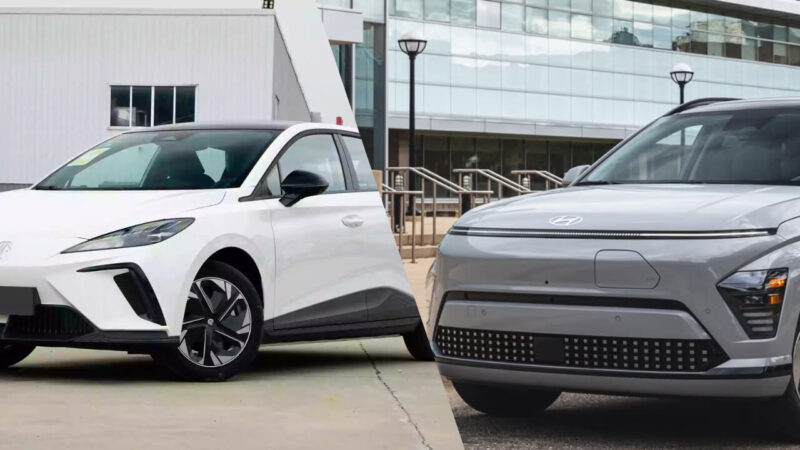
A budget EV rarely enters someone’s life as a pure passion choice. It usually shows up when daily driving patterns settle in, fuel costs keep edging upward, and the math for an electric hatchback or compact SUV finally looks logical. MG4 EV and Hyundai Kona Electric sit right inside that moment.
Both want to solve the same problem: affordable electric motoring with real range and modern tech, yet each one pulls you in with a very different feel behind the wheel.
You have a low, Rear Wheel Drive hatch that feels planted and lively. You also have a small SUV that leans hard into comfort, cargo flexibility, and a familiar driving position.
A clean choice only happens when you break the cars down by how ownership actually works, not by a headline range number or a spec sheet that you glance at once. Let’s get right into it.
Quick Spec Snapshot
Treat the numbers as reference points that help shape your decision, since trims and equipment packs shift by market.
| Category | MG4 EV (MG Europe brochure examples) | Hyundai Kona Electric (Hyundai UK and Euro NCAP examples) |
| Body style | Hatchback | Small SUV |
| Drivetrain feel | Rear wheel drive, 50:50 weight distribution noted | Front Wheel Drive in most markets |
| Battery options (Europe) | 51 kWh, 64 kWh, 77 kWh | 48.4 kWh, 65.4 kWh |
| WLTP range | Up to 520 km (77 kWh) | Varies by battery and wheels |
| DC charging | Up to 140 to 144 kW listed | Often discussed as around the 100 kW class |
| Cargo space | 363 L up, 1177 L down | 466 L up, 1300 L down |
| Safety (Euro NCAP) | Five-star rating reported for the MG4 line | Kona publication shows category scores such as 80 percent adult occupant |
Price and the Reality of Buying a “Budget EV”
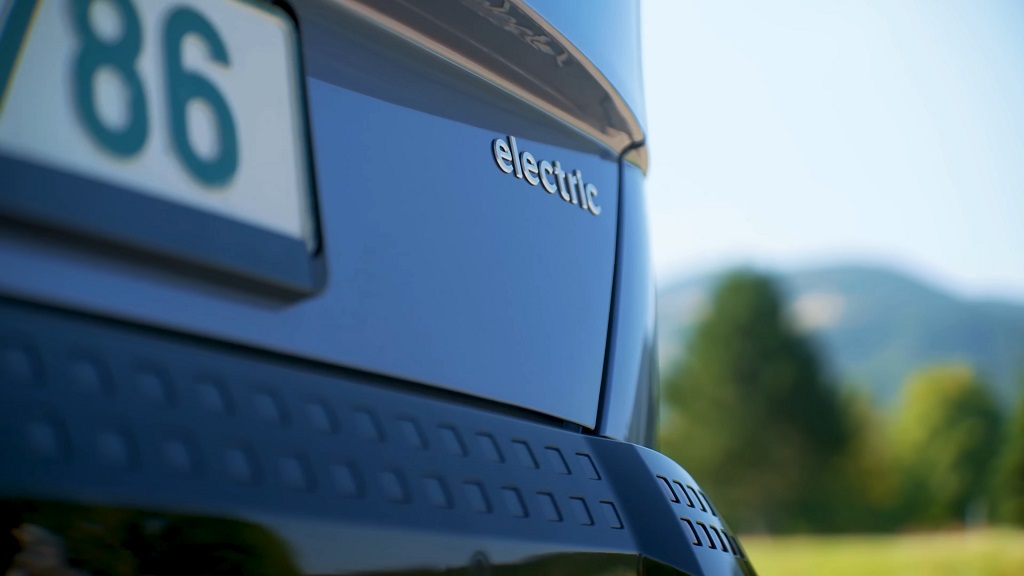
Purchase price draws people in first, but ownership costs keep them around. MG4 often lists lower in many European markets, especially when trims are matched feature for feature.
Kona Electric usually comes in higher, partly due to its SUV classification and updated cabin tech in several trims.
Many buyers explore simple, transparent personal leasing solutions to soften the upfront cost while comparing MG4 and Kona trims.
Still, the headline sticker is only the first step. Several factors move the true monthly cost around.
The Main Variables That Influence Your Long-Term Cost
- Insurance group differences
- Repair cost risk from sensors, bodywork, and calibration
- Public charging pricing if you lack home charging
- Warranty length and service accessibility
- Residual values in your region
- Finance or lease structure that might favor one model even if its sticker price is higher
A good rule is to compare total monthly outlay instead of staring at the showroom number. In some regions, Hyundai’s residual strength can narrow the gap more than expected.
Range You Can Use, Not Range You Can Brag About
A range claim often hides a long list of conditions. WLTP acts as a common European reference, but real life brings cold weather, headwinds, wheel size, heater use, and motorway speeds into the picture. What matters most is how stable and predictable the car feels at your actual driving pace.
What shapes your real range
- Driving speed
- Ambient temperature
- Wheel and tyre setup
- How you use regen
- How often HVAC runs at full blast
MG4 EV Range Story
MG publishes several WLTP figures:
- Around 450 km WLTP for one of the 64 kWh versions in the spec table
- Around 435 km WLTP for another 64 kWh trim
- Up to 520 km WLTP for the 77 kWh long-range option
- Energy consumption examples in the table sit roughly around 160 to 165 Wh per km
That spread gives MG4 enough headroom for regional driving, winter errands, and moderate motorway use without forcing a larger SUV purchase.
Kona Electric Range Story
Kona Electric varies by battery and wheels across Europe. The commonly referenced options are 48.4 kWh and 65.4 kWh. The smaller pack suits city and suburban patterns. The larger one offers steadier motorway capability.
If you do frequent regional travel, pick the bigger battery by default. If your driving is mostly urban, the smaller pack becomes a practical savings opportunity.
Charging Speed and Trip Convenience
Range tells you how far you go. Charging speed tells you how long you sit.
MG4 EV Charging
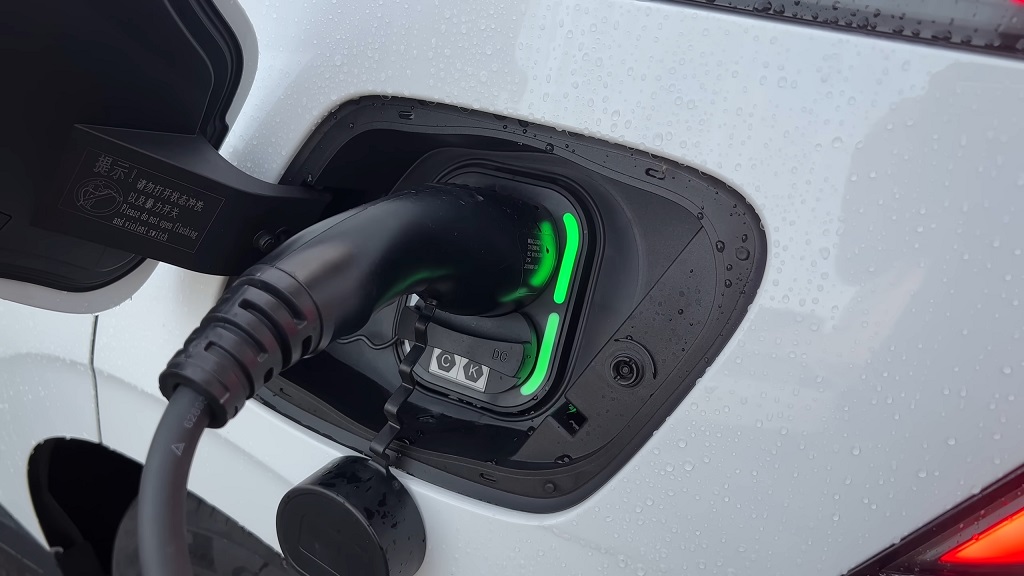
MG’s Europe brochure states clear DC figures:
- 140 kW DC peak for the 64 kWh example
- 144 kW DC peak for the 77 kWh example
- 10 percent to 80 percent in around 26 minutes on the 64 kWh version
- 38 minutes for that same window on the 77 kWh version
- Battery preheating is noted as a cold-weather advantage
The middle of the charging curve, roughly 20 percent to 60 percent, tends to be where modern EVs pull strong and stable power. MG4’s numbers help reduce long trip stress if you live in an area with modern chargers.
Kona Electric Charging
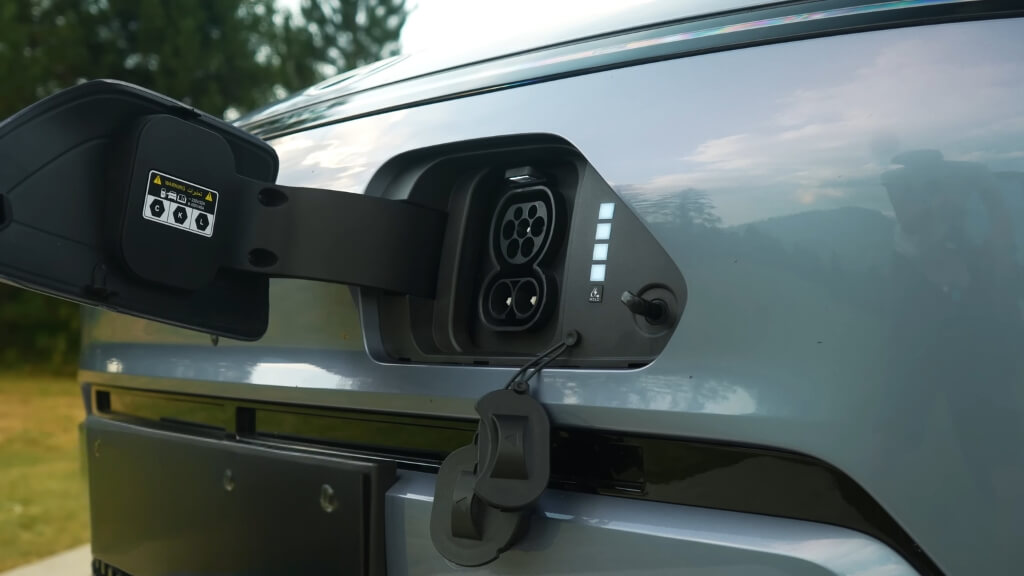
Kona Electric is usually framed as a roughly 100 kW class fast charging car in many markets. Real-world trip timing relies heavily on stopping frequency and charger quality.
Long holiday drives remain manageable, but the higher MG4 figures create more margin if you often travel with short charging windows.
Space and Everyday Practicality
Body shape drives more daily comfort choices than any charging stat. A small SUV simply fits a different life.
Cargo and Cabin Packaging
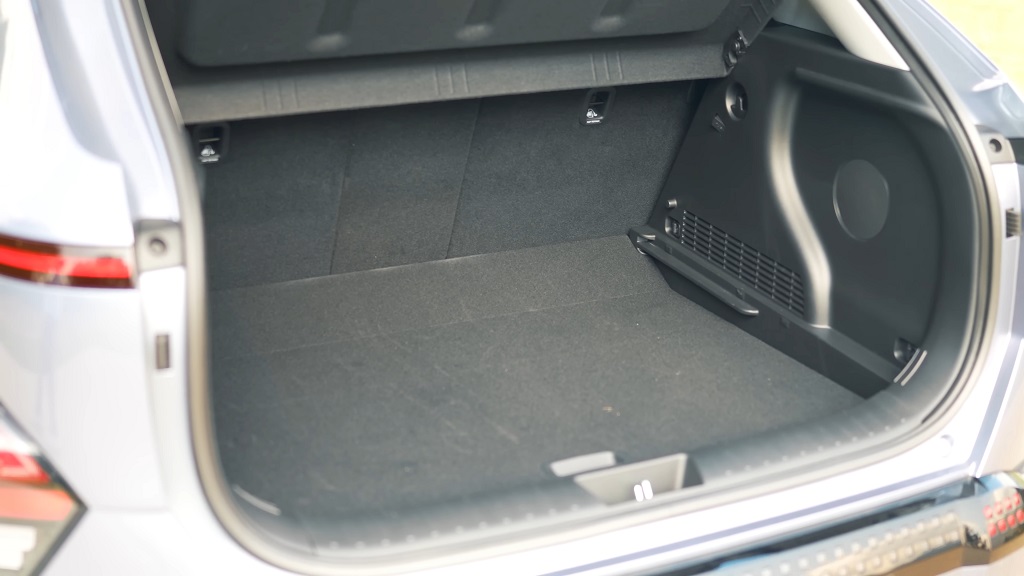
Hyundai UK lists generous cargo volume for Kona Electric:
- 466 L seats up
- 1300 L seats down
MG4 sits lower in both:
- 363 L seats up
- 1177 L seats down
If you travel with a stroller, sporting gear, or bulky grocery loads, Kona shapes your day with less compromise.
Seating Position and Entry Ease
Kona’s higher hip point helps with:
- Frequent in-and-out movement
- Parents loading kids
- Drivers who prefer an upright view of the road
MG4 sits lower and tends to feel easier to place in tight parking, especially in older urban neighborhoods. Once seated, the lower position pairs nicely with its Rear Wheel Drive handling.
Driving Feel, Handling, and Comfort
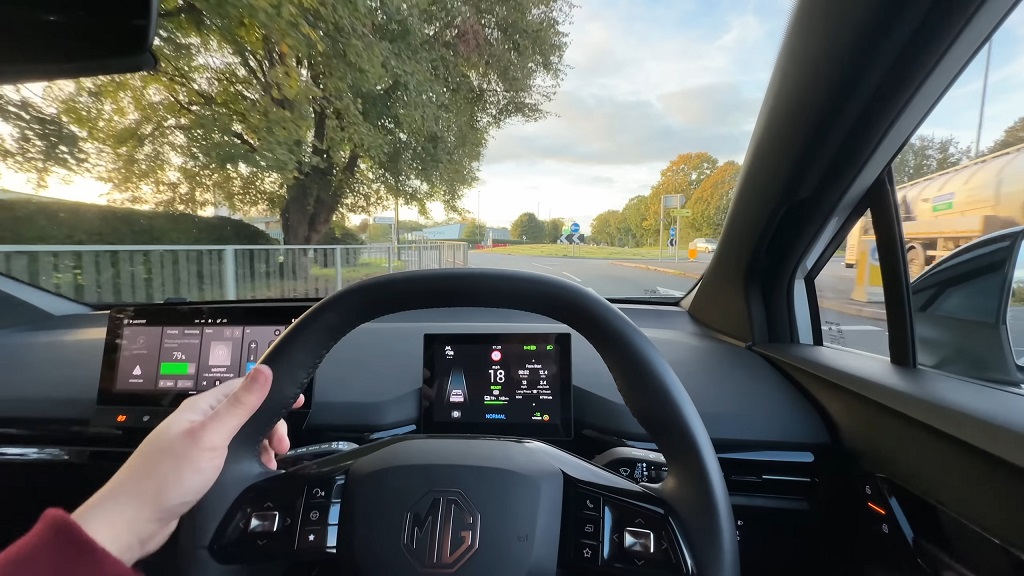
MG points to several dynamic markers in its European brochure, including 50:50 weight distribution and a Rear Wheel Drive layout. Many drivers describe MG4 as lively and planted for a budget EV. Steering feel and chassis balance often point toward MG4 for anyone who likes a slightly more athletic flavor.
Kona Electric lands on the calmer end of the scale with predictable, light controls. It behaves politely around town and settles into a steady motorway rhythm. The SUV stance also shapes how the suspension interacts with road imperfections, often giving the car a more relaxed personality.
If you care about cornering confidence and platform balance, MG4 pulls ahead quickly. If you want a predictable commuter with a quiet posture, Kona suits that pattern easily.
Tech, Software, and Daily Interface
Both cars cover the modern baseline:
- Smartphone integration
- Digital dashboards
- Safety and driver assistance suites
- App support in many trims
MG4 highlights its iSMART app features, including remote climate and status tools. MG Pilot also appears often in MG’s promotional material as part of its safety strategy.
Kona Electric’s newer cabin architecture gives it a clean, modern feel. Hyundai infotainment tends to score well for clarity in mainstream reviews. The important step is a hands-on test:
- Touchscreen responsiveness
- Separate physical controls for HVAC
- How driver assistance behaves in slow traffic
- Nighttime glare and display brightness
Those small details matter more than any headline spec.
Safety Ratings and Equipment
Safety ratings often confuse shoppers because the star count depends on the equipment fitted to the test car, not just the model line.
MG4 Safety Position
MG Motor Europe states MG4 achieved a five-star Euro NCAP rating. The Euro NCAP listing shows percentages for adult occupant, child occupant, vulnerable road users, and safety assist categories. MG also frames MG Pilot as a key part of its rating story.
Kona Electric Safety Position
Euro NCAP’s page for the 2023 Kona publication shows category percentages such as 80% adult occupant, 83% child occupant, 64% vulnerable road users, and 60% safety assist.
The important takeaway is simple. Always check whether the safety pack you want is standard or optional. Add it from day one. Treat it as essential equipment rather than an upgrade.
Warranty and Ownership Risk
EV warranty length and dealer reach shape long-term peace of mind more than many buyers expect.
MG promotes a 7-year warranty in several European markets, including the UK. Hyundai markets a 5-year unlimited mileage warranty for the vehicle in the UK, along with typical EV battery coverage.
Both brands position their warranties as a core strength, but dealer and service network density also matter. Hyundai usually has a broad footprint in many regions. MG varies by country, so the availability of parts and fast service scheduling may influence your decision more than the warranty headline itself.
Which Driver Fits Which Car
The two cars speak to different priorities. A few guiding patterns help clarify the choice.
Pick MG4 EV if you match most points below
- You want maximum EV capability for your money
- You care about fast, repeatable DC charging for long trips
- You prefer a lower driving position with rear wheel drive balance
- You value sharp steering and a planted feel
- You do not require SUV height or the larger Kona cargo volume
Pick the Hyundai Kona Electric if you match most points below
- You want the utility and comfort of a small SUV
- You like an upright driving position and easy entry
- You regularly carry bulky items
- You want a strong service network near your home
- You lean toward calm, predictable daily driving
A Simple Local Comparison Method
The best choice depends on the cars available in your region. Build a comparison sheet with the listings you are actually considering.
- List battery size, WLTP or EPA range, and wheel size
- Note the max DC charging rate and any 10 to 80 percent examples
- Confirm heat pump availability, especially for cold climates
- Add the safety pack price if it is optional
- Call both service centers and ask for average EV service lead times
- Compare total monthly cost rather than sticker price
If the two cars land within a narrow cost margin, pick based on daily use. MG4 supports drivers who want sharper handling and faster charging. Kona Electric supports drivers who carry more stuff, load passengers often, and want a small SUV that fits familiar routines.
Final Words
A good budget EV earns its place with predictability, not headlines. MG4 EV and Hyundai Kona Electric give you two strong paths into affordable electric driving.
MG4 leans into dynamics and charging power with a value-forward mindset. Kona Electric leans into comfort, space, and a format that suits families, commuters, and anyone who wants simplicity from day one.
Pick the one that mirrors your actual week. That choice stays satisfying long after range figures fade from memory.